
The Cut of a Made-to-Measure Suit: Proportion, Posture and Balance
In front of the mirror, the first instinct is often to straighten your back and tug at your sleeves. Try letting your arms fall naturally instead. Walk a few steps. Sit down. The way a suit accompanies these movements tells you more about its fit than a carefully arranged photograph.
At Maison Consiglieri, the conversation about a made-to-measure suit begins with the person who will wear it. Do you prefer a defined waist or a little more room? Will you spend the day at a desk, travel or attend a ceremony? These answers give measurements a purpose and help establish a silhouette that feels like you.
Look at the whole suit before its details
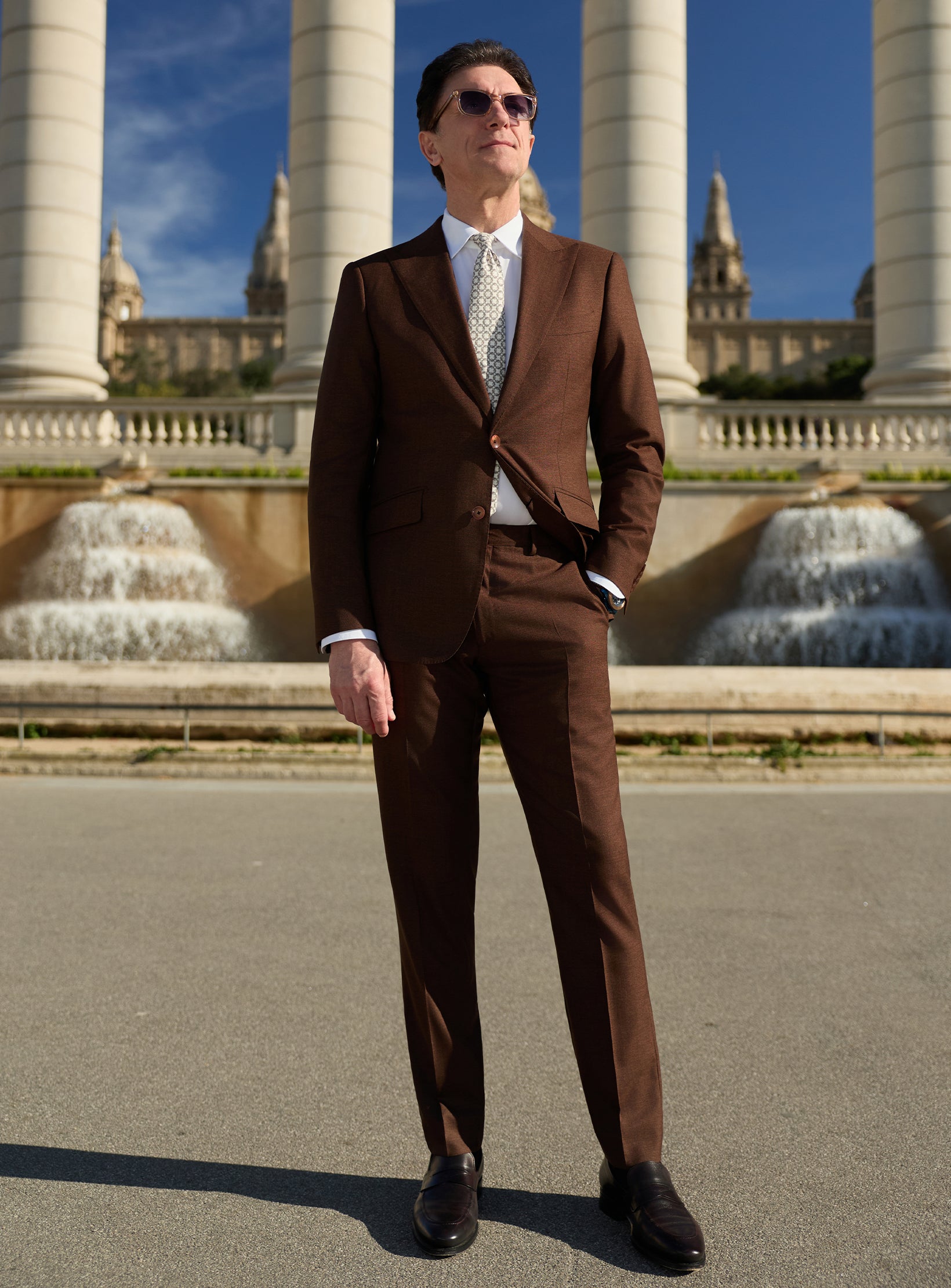
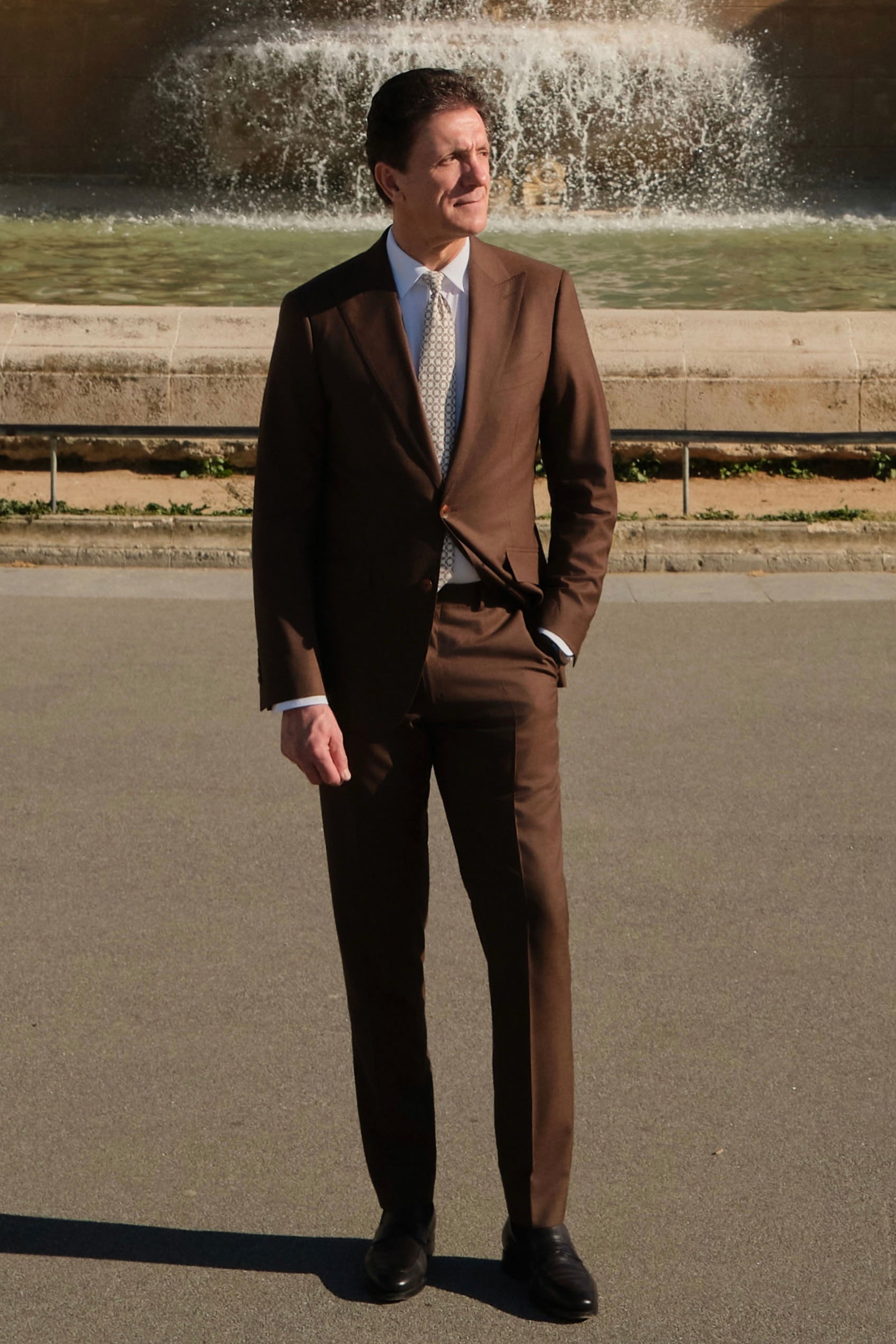
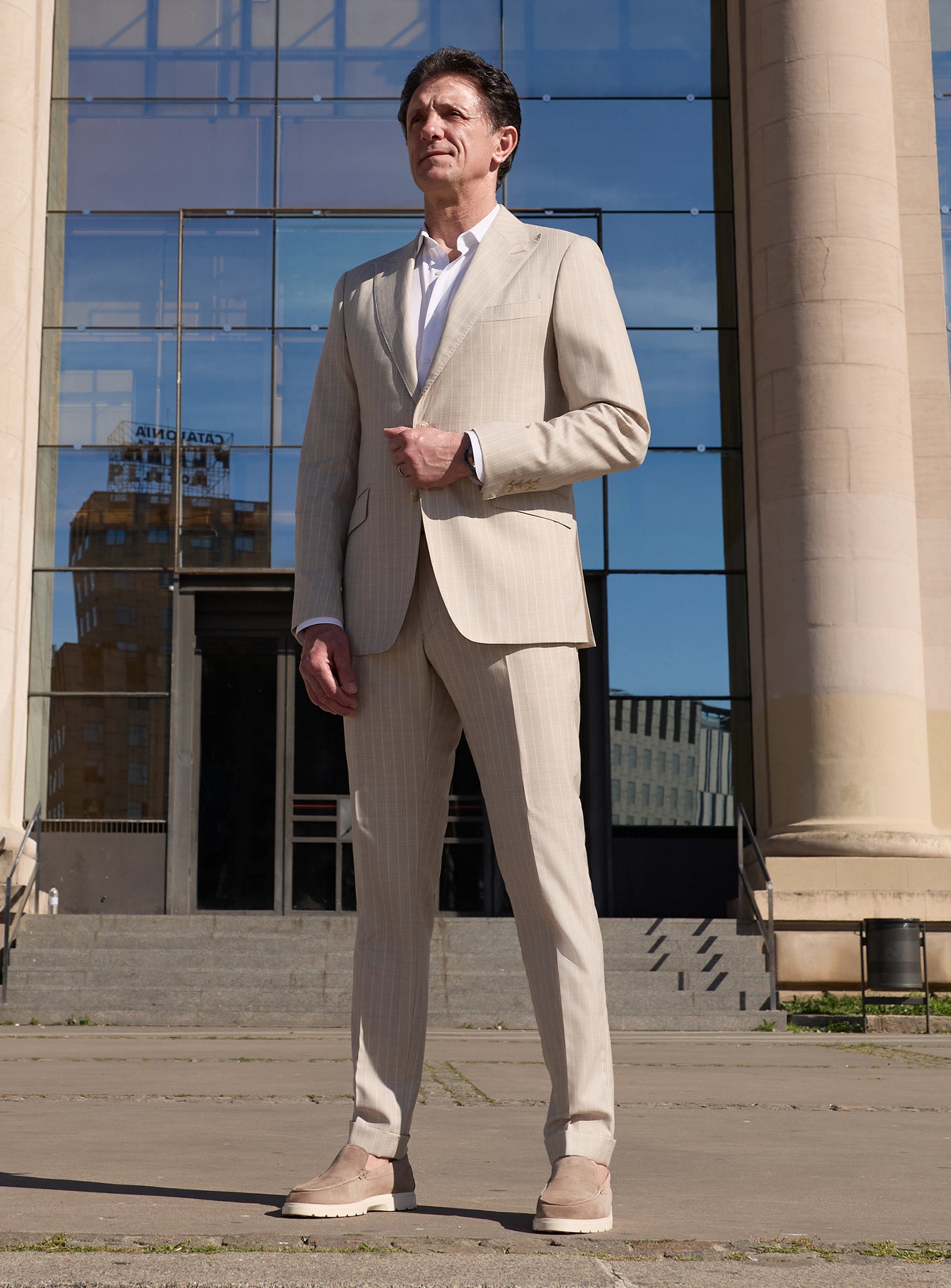
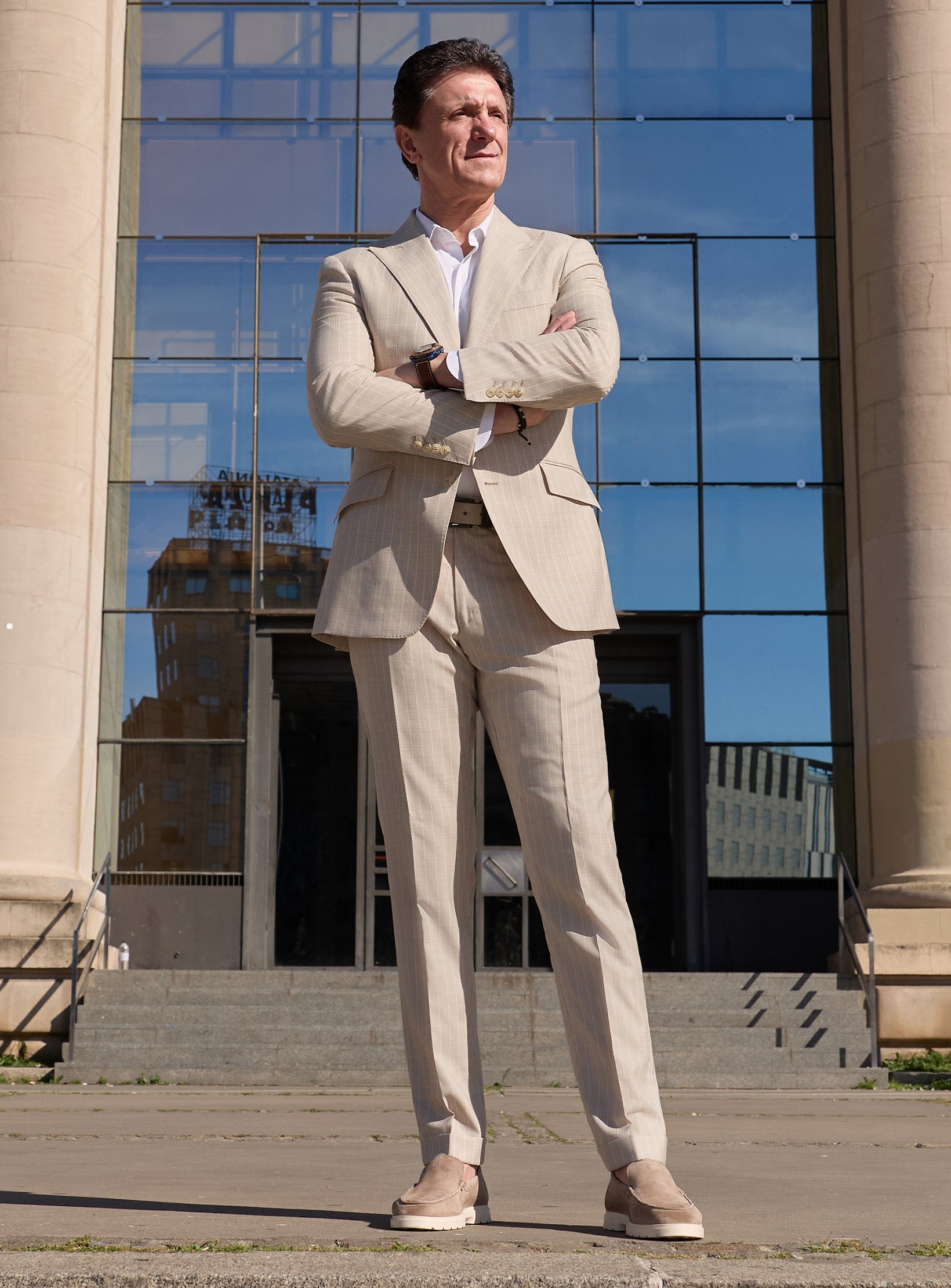
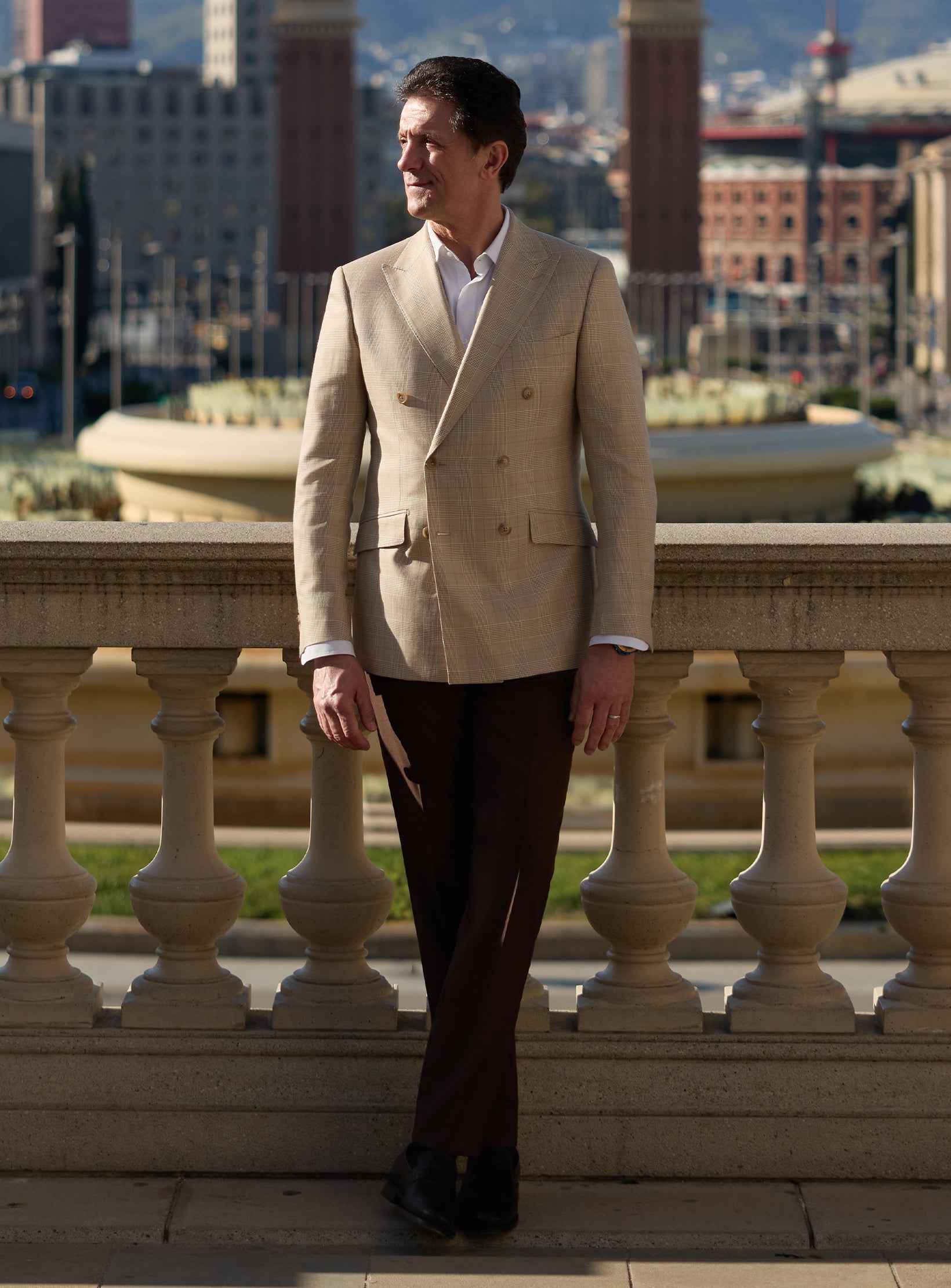
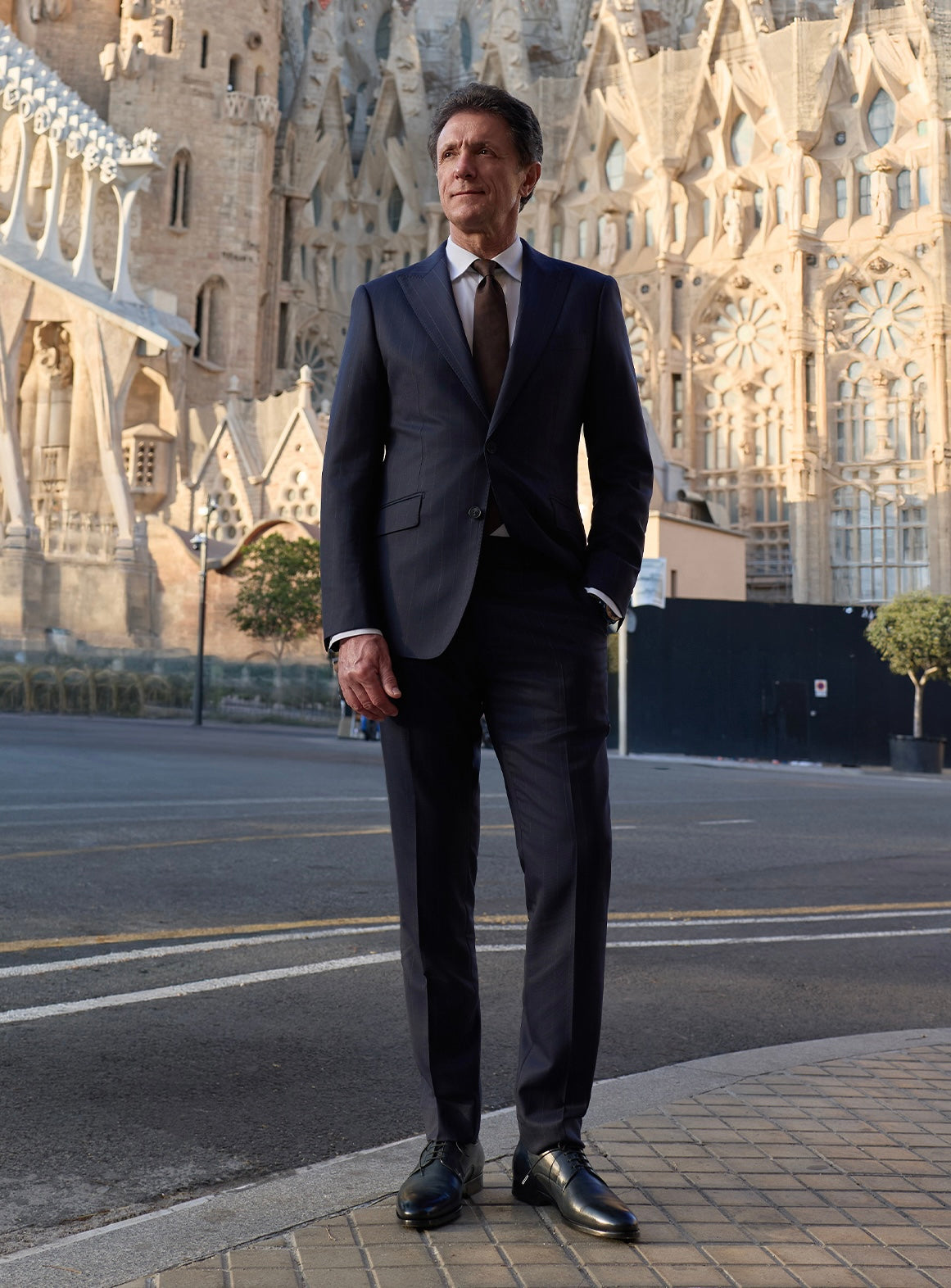
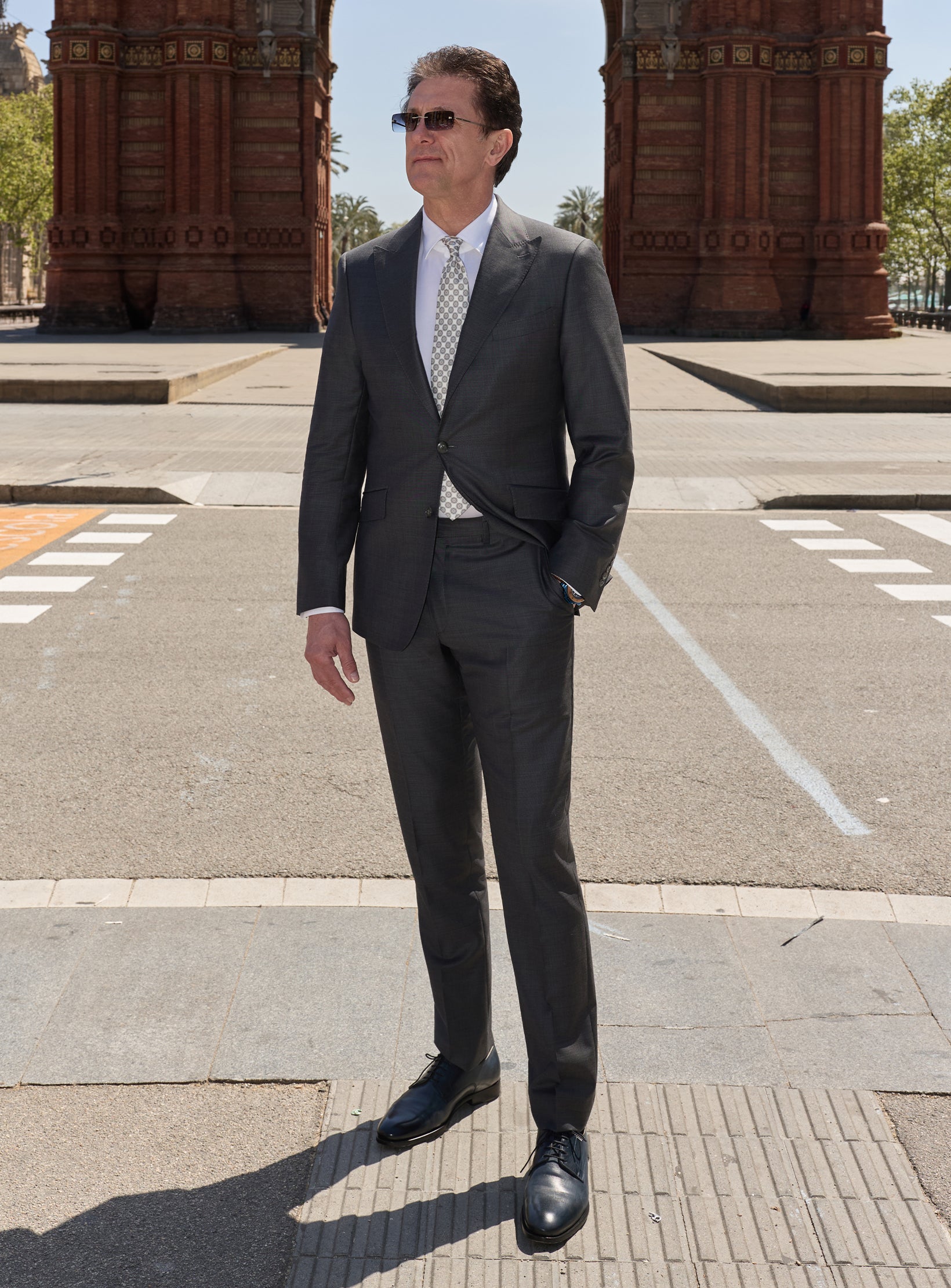
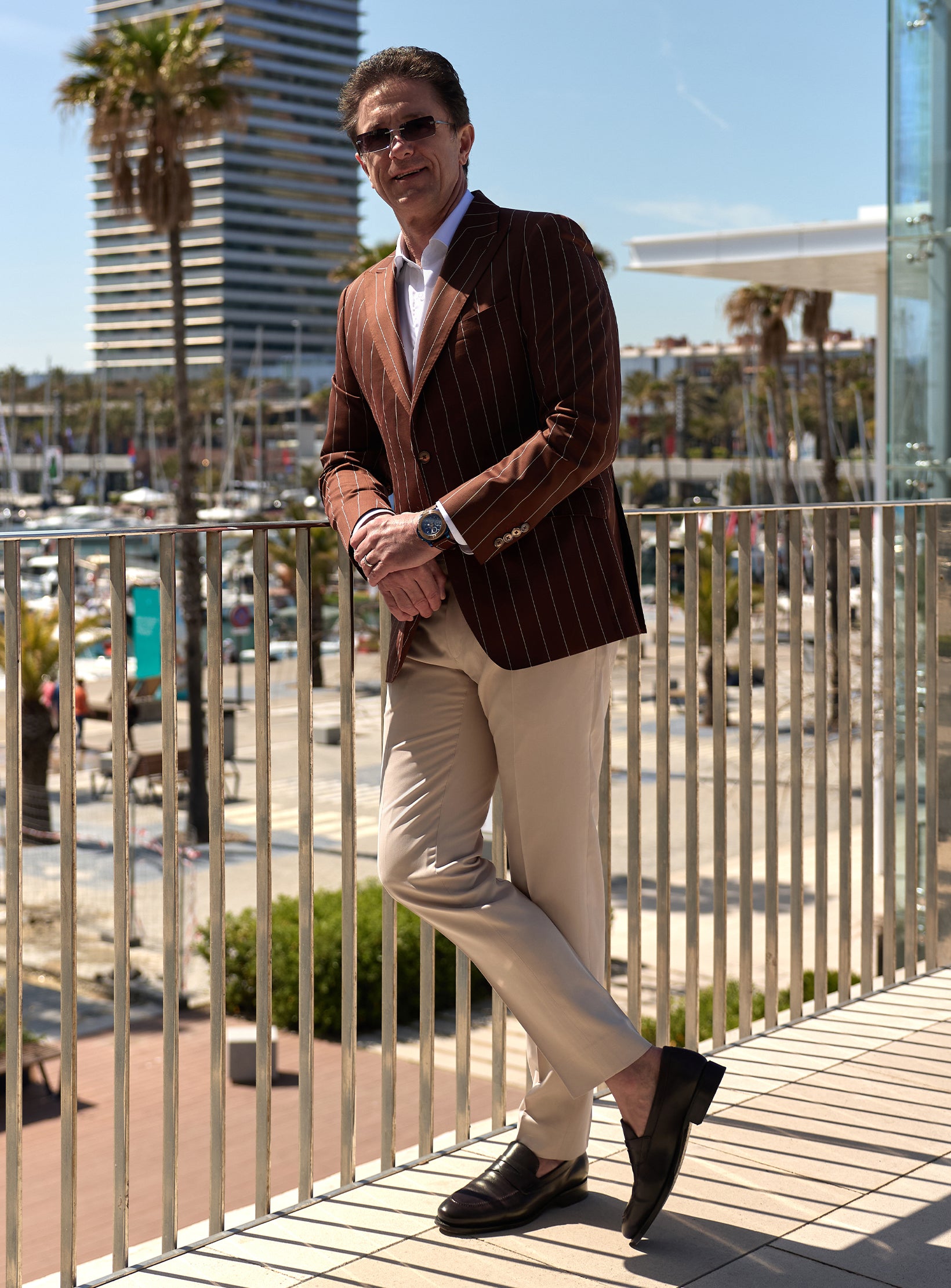
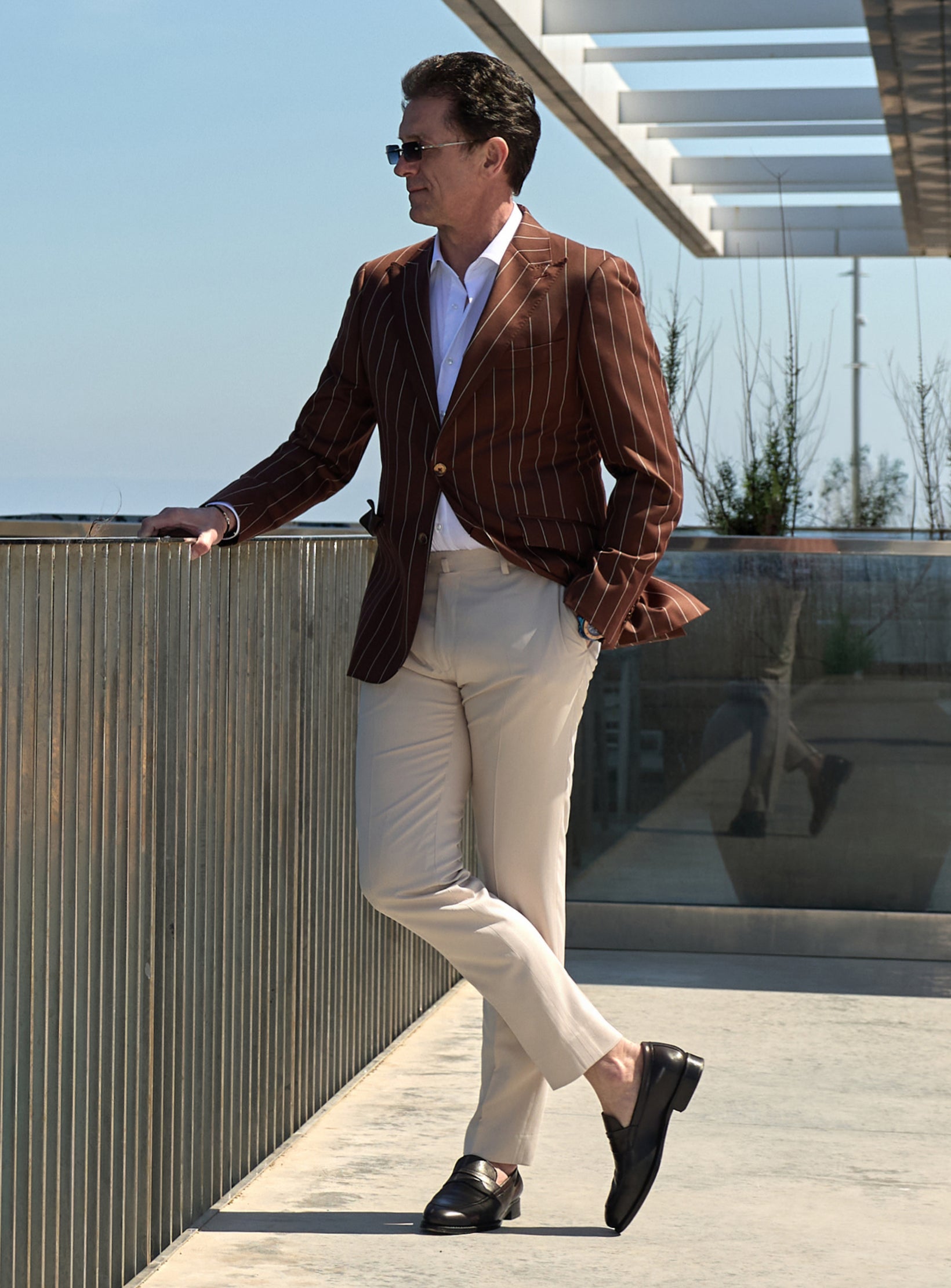
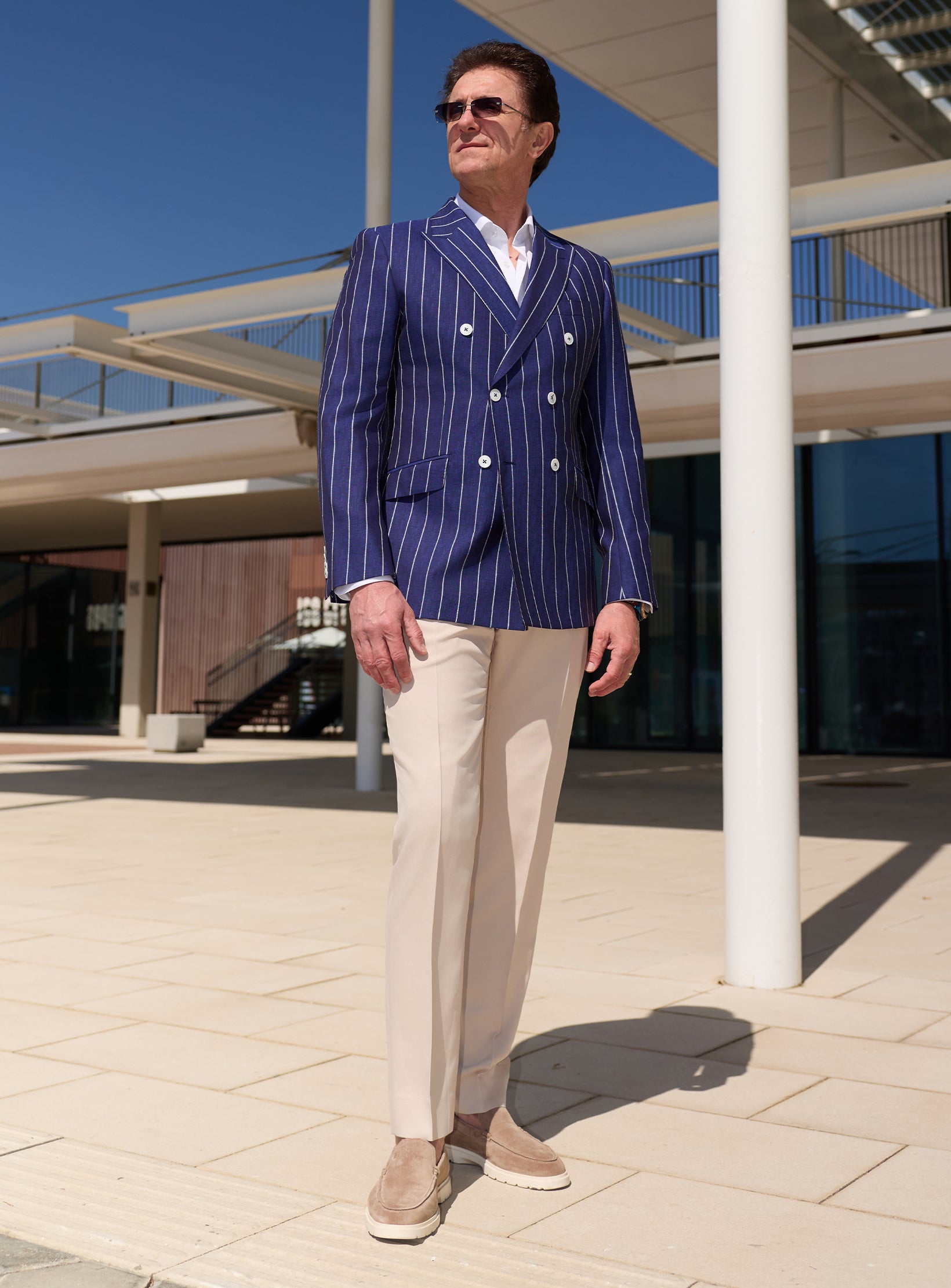
Shoulders, lapels, jacket length and trouser volume work together. A very short jacket with generous trousers creates a different balance from a longer jacket with a straight leg. Either can be a deliberate style choice; what matters is that the combination feels coherent and comfortable.
Look from the front, side and back, wearing the shoes intended for the outfit. A close view of the mirror draws attention to a button or cuff. A few steps back reveal the full silhouette.
Shoulders and collar: where the jacket settles
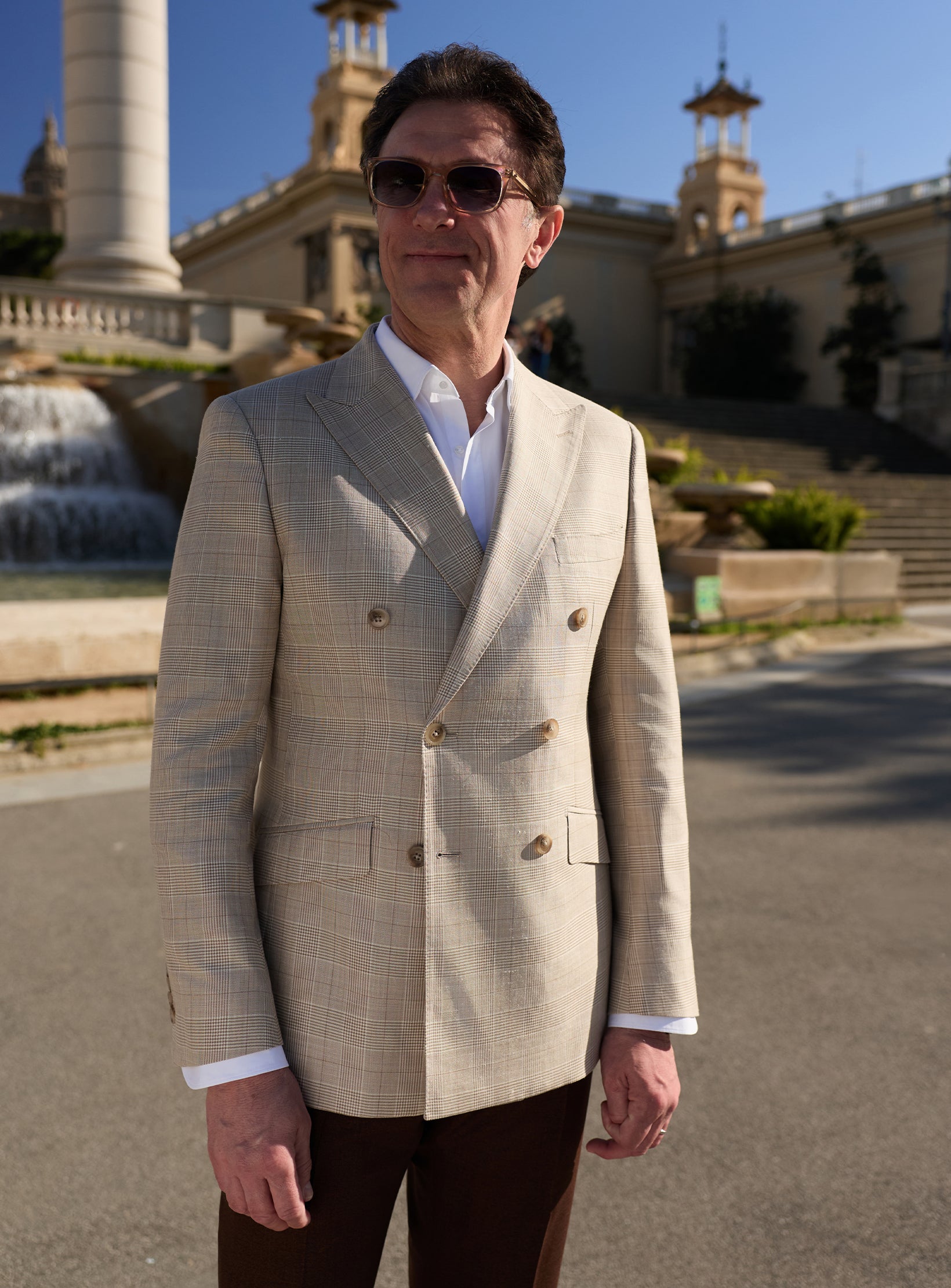
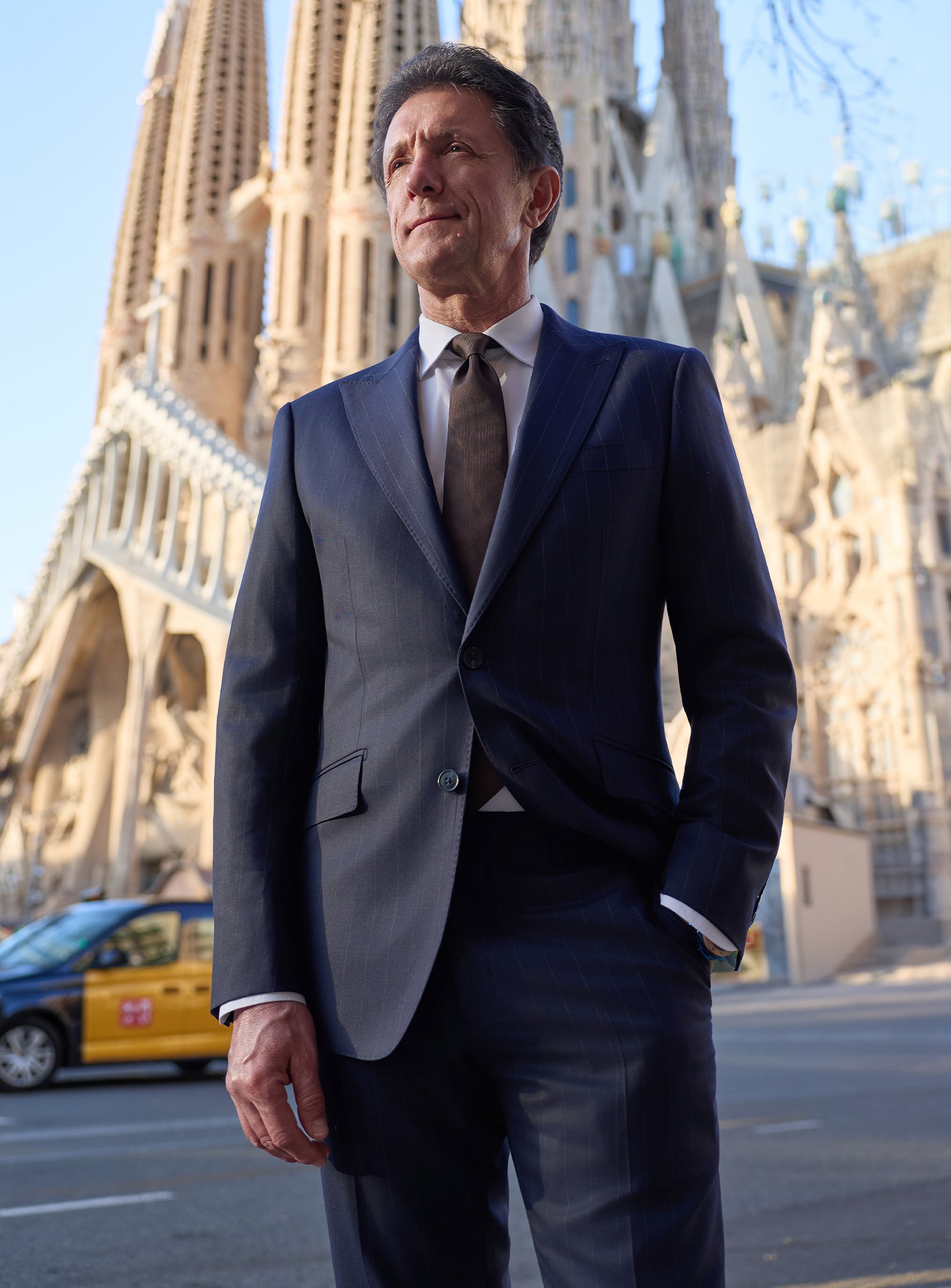
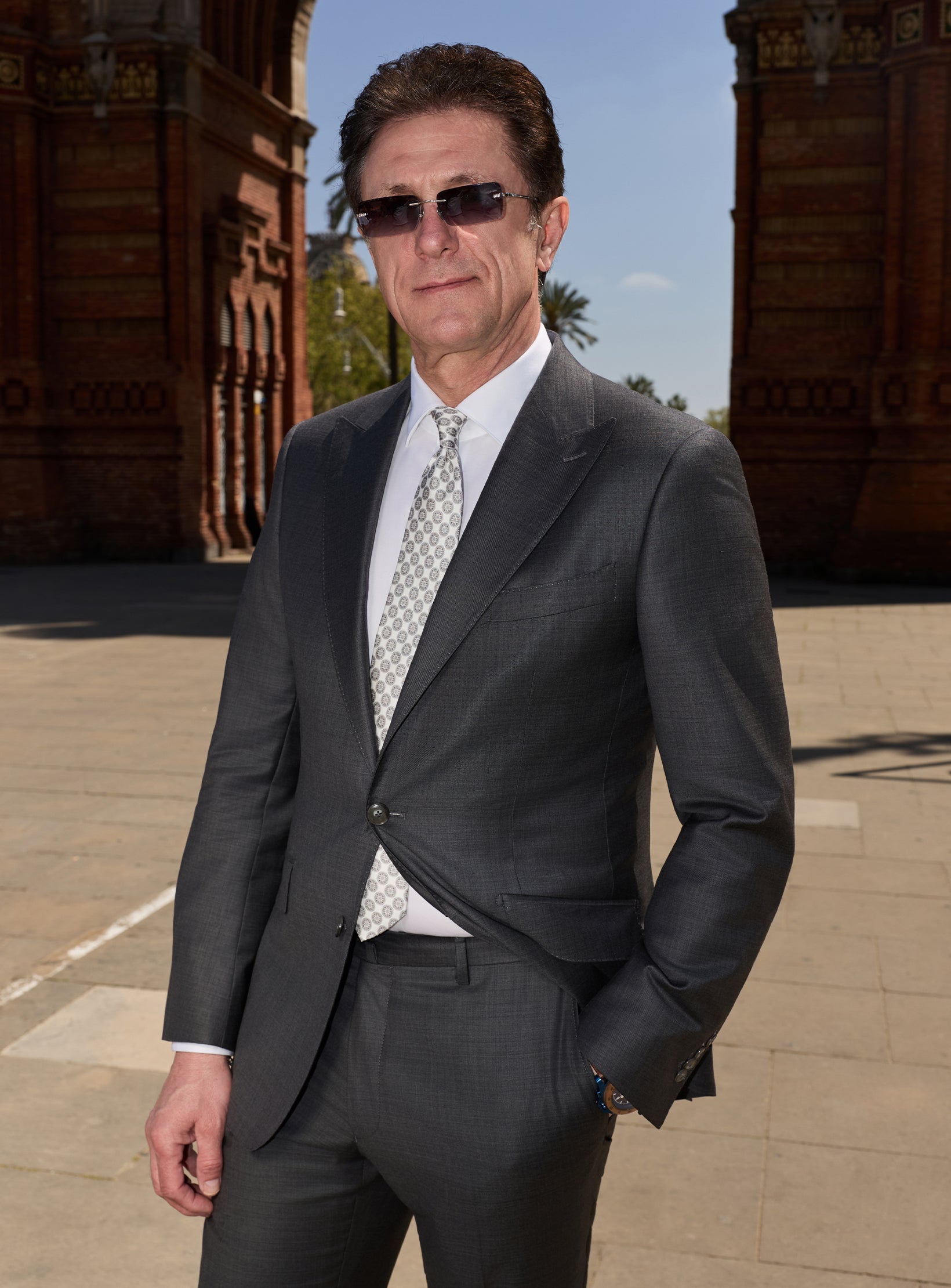
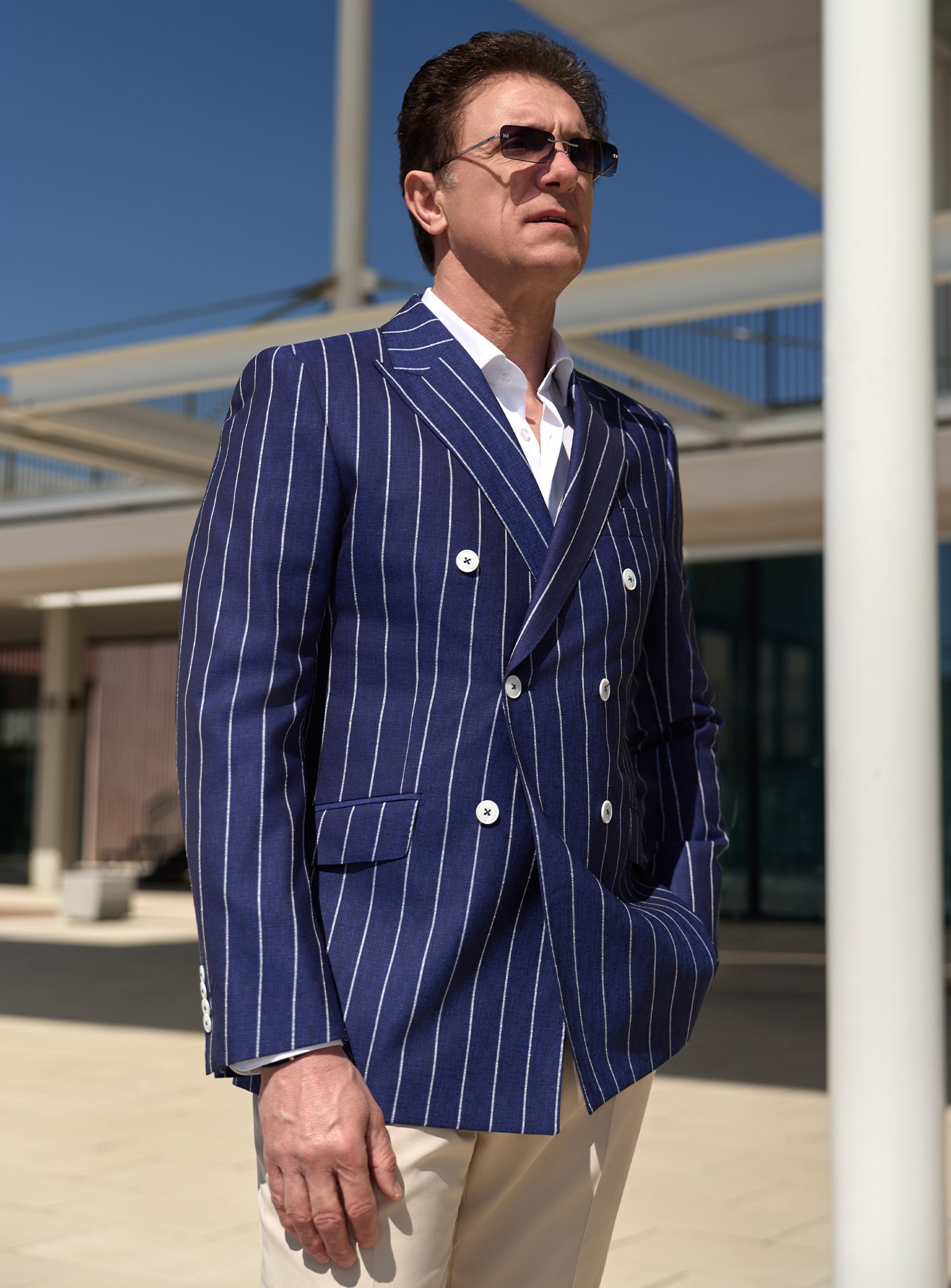
A shoulder can be soft or more defined. There is no single correct shape for every suit, but the cloth should settle without pronounced hollows or obvious strain. A deliberately extended shoulder needs to be assessed differently from a jacket that is simply too large.
With your arms relaxed, look at how the jacket collar meets the shirt collar. A persistent gap or a pronounced fold below the neck is worth discussing at the fitting. Do not try to correct it by changing your posture: the observation is most useful when you stand naturally.
Check the fastening, then move
Fasten the jacket at the point intended for its design. The lapels should lie calmly, without a strong “X” of stretched fabric radiating from the button. Your waist can look defined without making you feel that you need to hold your breath.
Reach forward as if greeting someone, then sit down. A tailored jacket allows movement differently from a T-shirt; some shifting of the cloth is natural. The useful test is whether everyday gestures create uncomfortable pressure. Explain where you feel restricted rather than automatically asking for more room everywhere.
Judge lengths with the right shirt and shoes
Sleeve length needs to be considered alongside your shirt cuff. A shirt sleeve that is unusually long or short can make the jacket appear incorrect. Bring a shirt similar to the one you expect to wear with the suit.
Assess trousers at their comfortable waist position, rather than pulling them higher for the mirror. Check the seat and thigh when sitting. At the hem, choosing no break or a slight break over the shoe depends on the width of the leg and your preferred line. Fabric collecting around the ankle is different from useful room through the leg.
Make the fitting more useful
- Bring the shoes and shirt that matter to the outfit.
- Explain what you enjoy about your most-worn suit and what feels uncomfortable.
- Check the pockets and waist without a bulky phone or wallet.
- Look at the result at rest and after walking, without continually rearranging it.
Natural differences between your shoulders or the way your arms hang are useful observations, not flaws in your body. The aim is clothing that sits well on you.
Choose your silhouette with a clear eye
Our guide to Custom Made and made-to-measure explains the broader approach. At the fitting, the conversation becomes personal: the ease you enjoy, the shape you prefer and the adjustments available for the particular garment.
Arrange a visit to Maison Consiglieri with an idea of how you want to wear your suit, as well as how you want it to look.