
The Made-to-Measure Winter Suit: Texture, Comfort and Layers
The morning begins with an overcoat settling across your shoulders. Later, in warm light, the suit’s texture comes into view: a mélange grey, a subtle stripe, a surface that gives the colour depth. A winter wardrobe offers this pleasure of layers and materials that reveal themselves gradually.
A made-to-measure winter suit should belong to your rhythm between outside and inside. Choose it for your day: the journey to work, heated rooms, meetings and evenings when you want to retain the same composed presence.
Consider the outfit between two temperatures
Before looking at swatches, discuss how much time you spend outdoors and how you travel. If you move from car to office, a very heavy cloth may not match your preferences. For journeys on foot, consider the suit alongside an overcoat and accessories appropriate to the weather.
Wool can contribute to insulation through air held within its fibre structure, as Woolmark explains. Actual comfort also depends on the fabric, layers and environment. A suit does not replace outerwear selected for cold, wind or precipitation.
Flannel and the depth of a surface
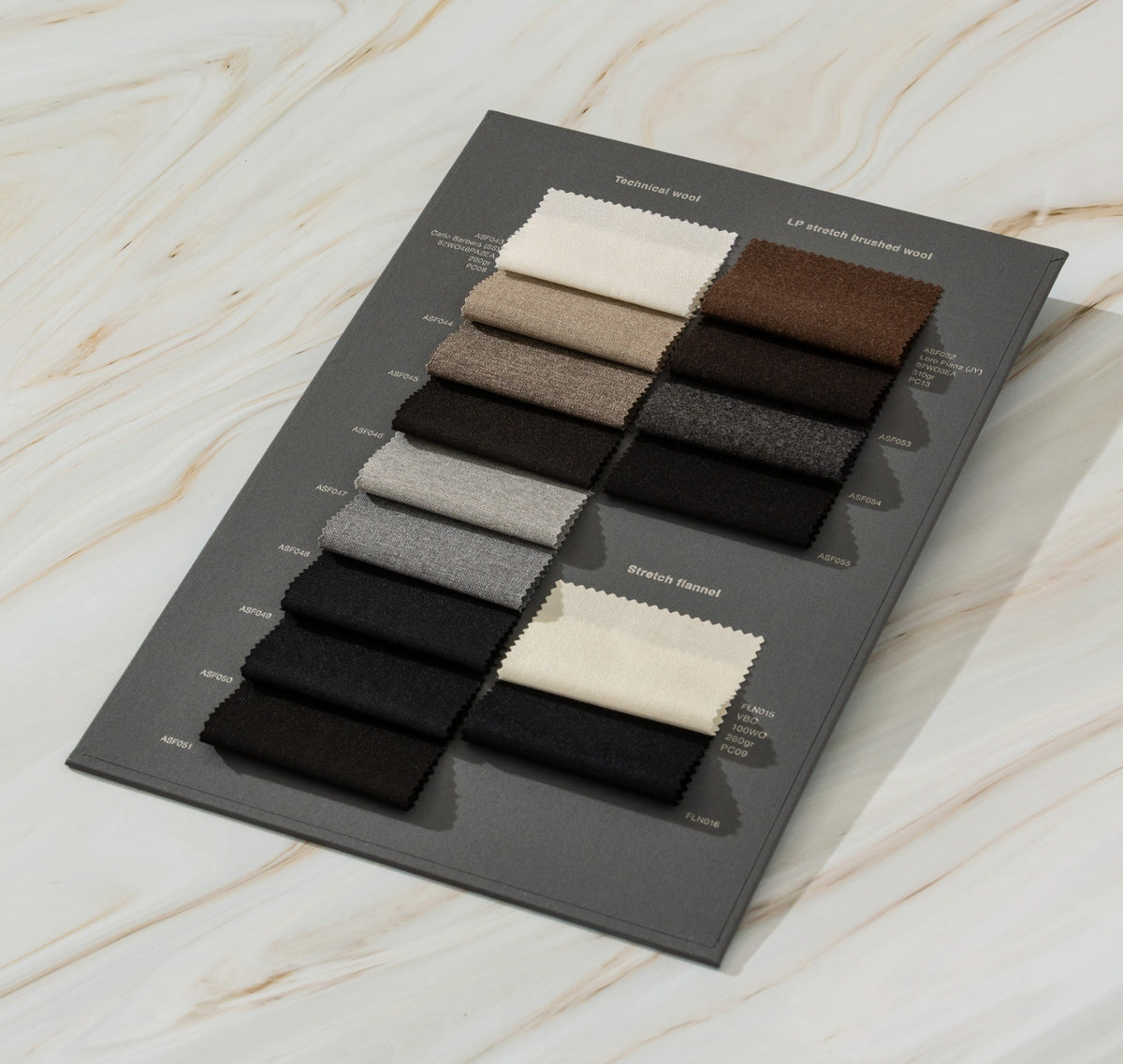
Flannel invites a tactile kind of elegance, in which colour can seem richer and pattern softer. There are different versions: Vitale Barberis Canonico presents worsted and woollen flannels. Explore the distinction on swatches before deciding which expression appeals to you.
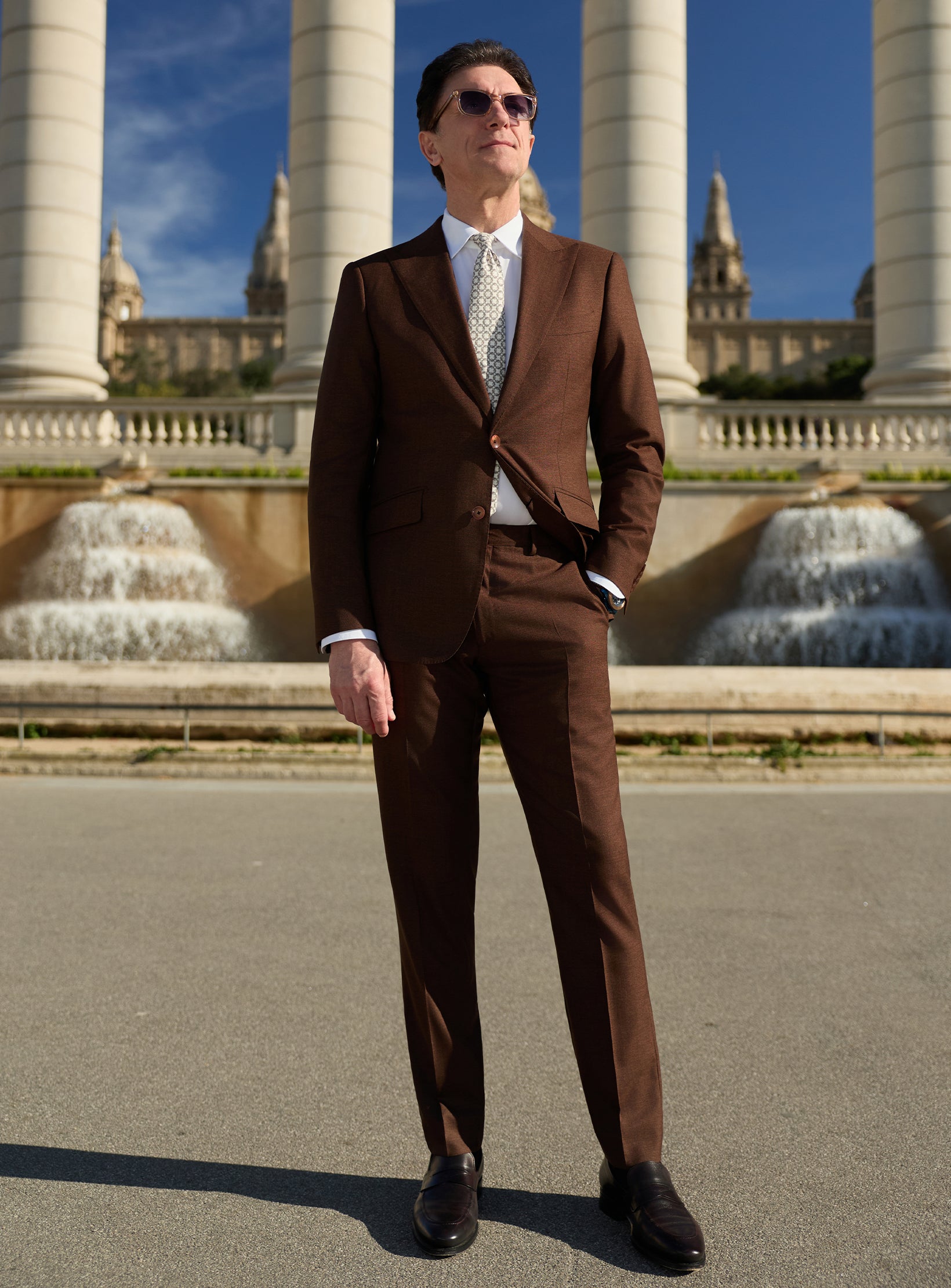
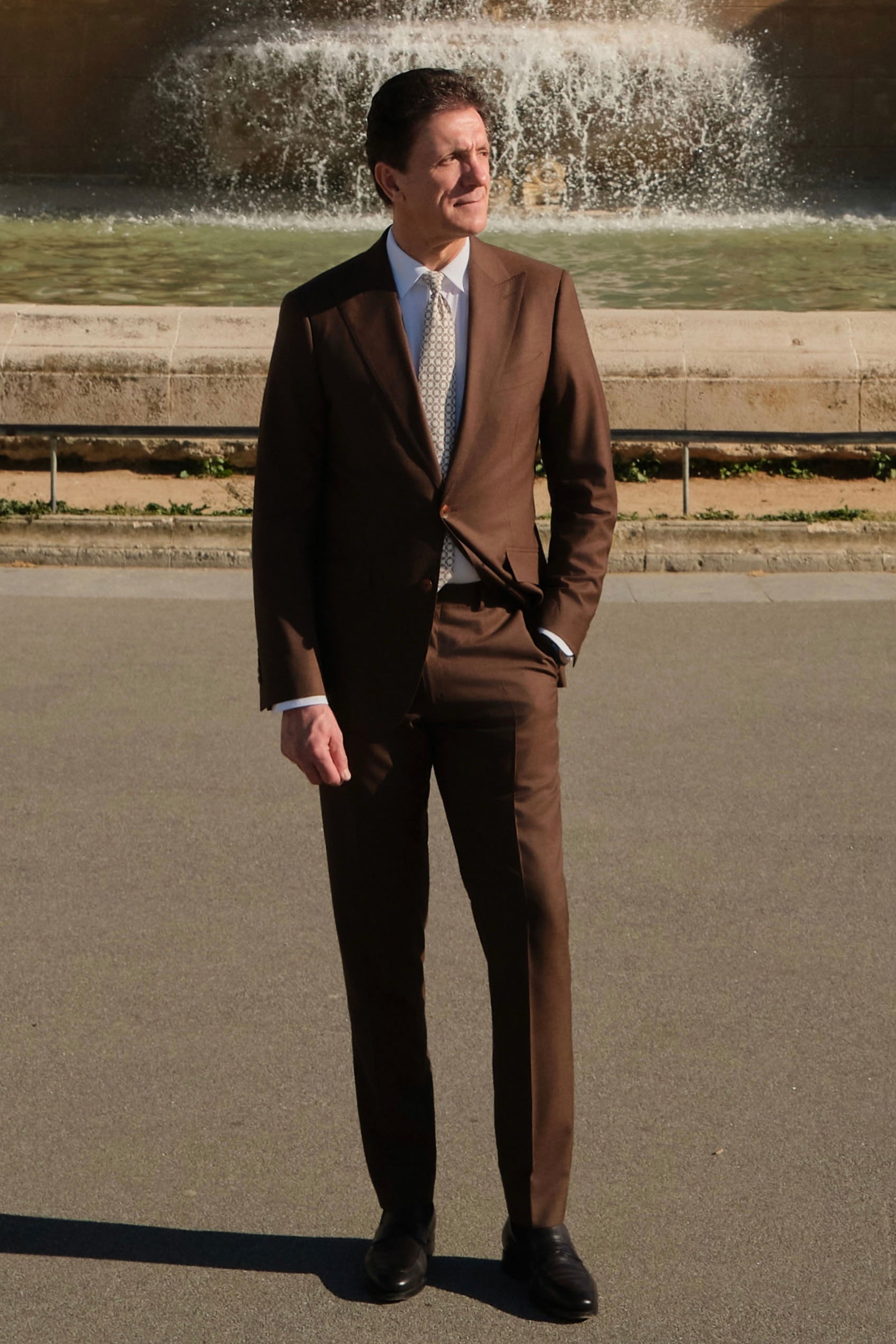
A mid-grey can provide a starting point for the office; a deep brown or mélange navy can quietly change the mood. Place the swatch beside a white shirt and then beside knitwear. Notice which direction feels natural and which pieces you already own could support it.
Softness, structure and repeated wear
A smoother cloth can retain the clarity you want for professional meetings. A more visible texture can bring character to a seasonal outfit. Compare its feel in the hand, its fall and its recommended use; weight alone does not describe the experience of wearing it.
If a cashmere blend appeals to you, ask for the exact composition and care instructions. A fibre name starts the discussion. For a frequently worn garment, the particular fabric article, configuration and way you want to organise your wardrobe all deserve attention. Available options are confirmed in the showroom.
Bring the right layers to the fitting
Bring the shirt or knitwear you intend to wear beneath the jacket. A fine sweater and a shirt occupy the space around your chest, arms and neck differently. At the fitting, observe those relationships in movement, without compensating through a rigid posture.
Try the overcoat too: check freedom across the shoulders and sleeves, and how the layers settle as you walk. For the trousers, sit down and consider comfort at the waist and thigh. Your chosen shoes help you judge the proportions of the complete silhouette.
A garment to care for
After wear, allow the suit to air and use hangers that support the jacket’s shape. Rotate garments when your wardrobe allows and follow the label for cleaning. Woolmark’s care guide offers useful principles; the instructions for your own suit take priority.
Shape your winter at the Maison
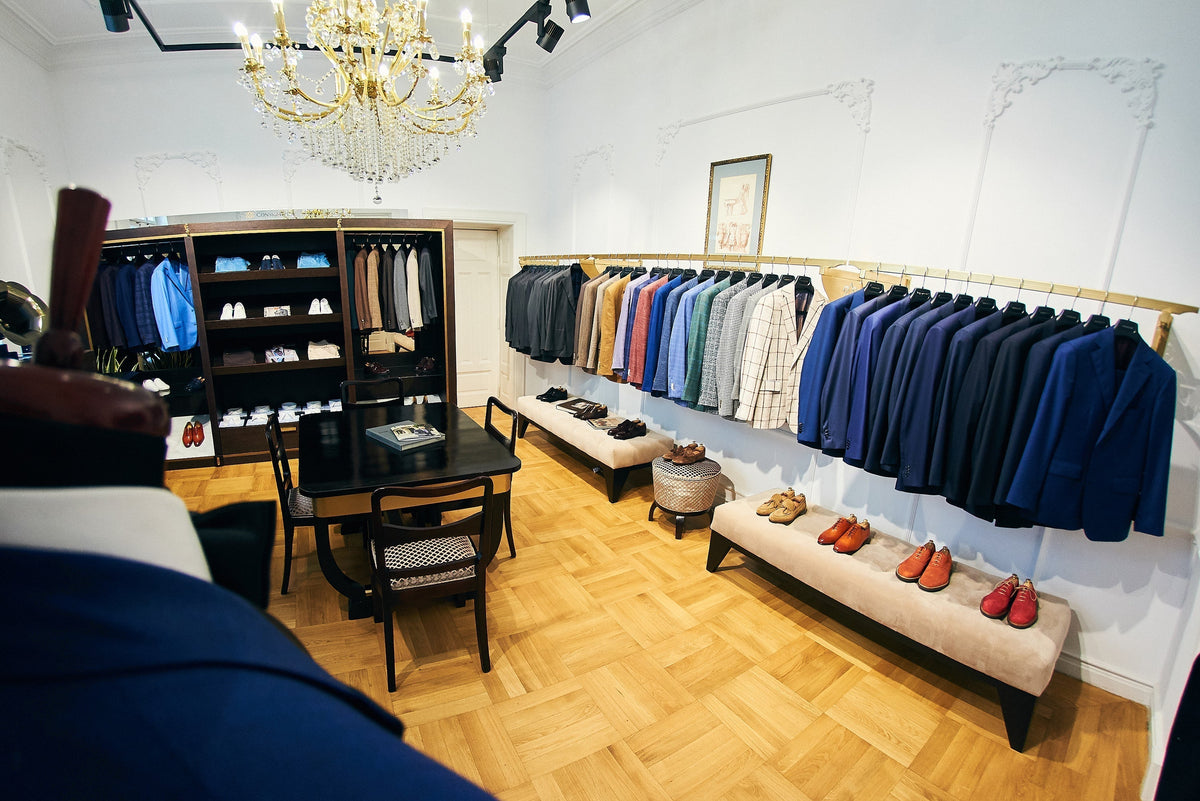
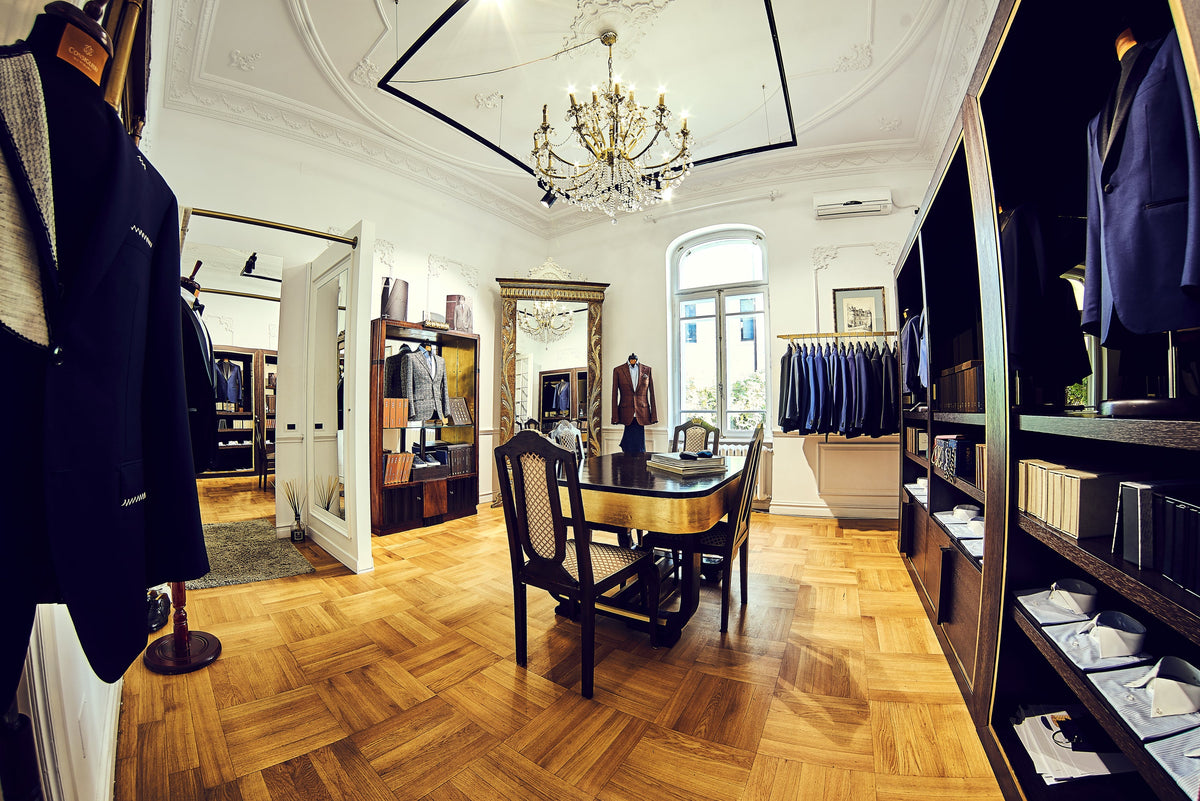
The guide to tailoring cloth houses can prepare your visit, while the selection of made-to-measure business suits offers visual directions. In the showroom, those ideas meet the swatches and your proportions.
Request a showroom consultation. Together with your Maison Consiglieri consultant, consider a suit that finds its place within your wardrobe and your winter.