
Single-Breasted or Double-Breasted? Choosing Your Jacket Style
Two jackets in the same cloth can change the impression of an outfit completely. One lets the shirt show through an open front. The other draws attention to its lapels and overlapping fastening. Before colour or accessories, choosing between single-breasted and double-breasted establishes much of a suit’s character.
At Maison Consiglieri, this is a conversation about how you like to dress. A jacket worn open for much of the day deserves a different consideration from one chosen for its buttoned silhouette. Begin with that simple habit, then look at the proportions.
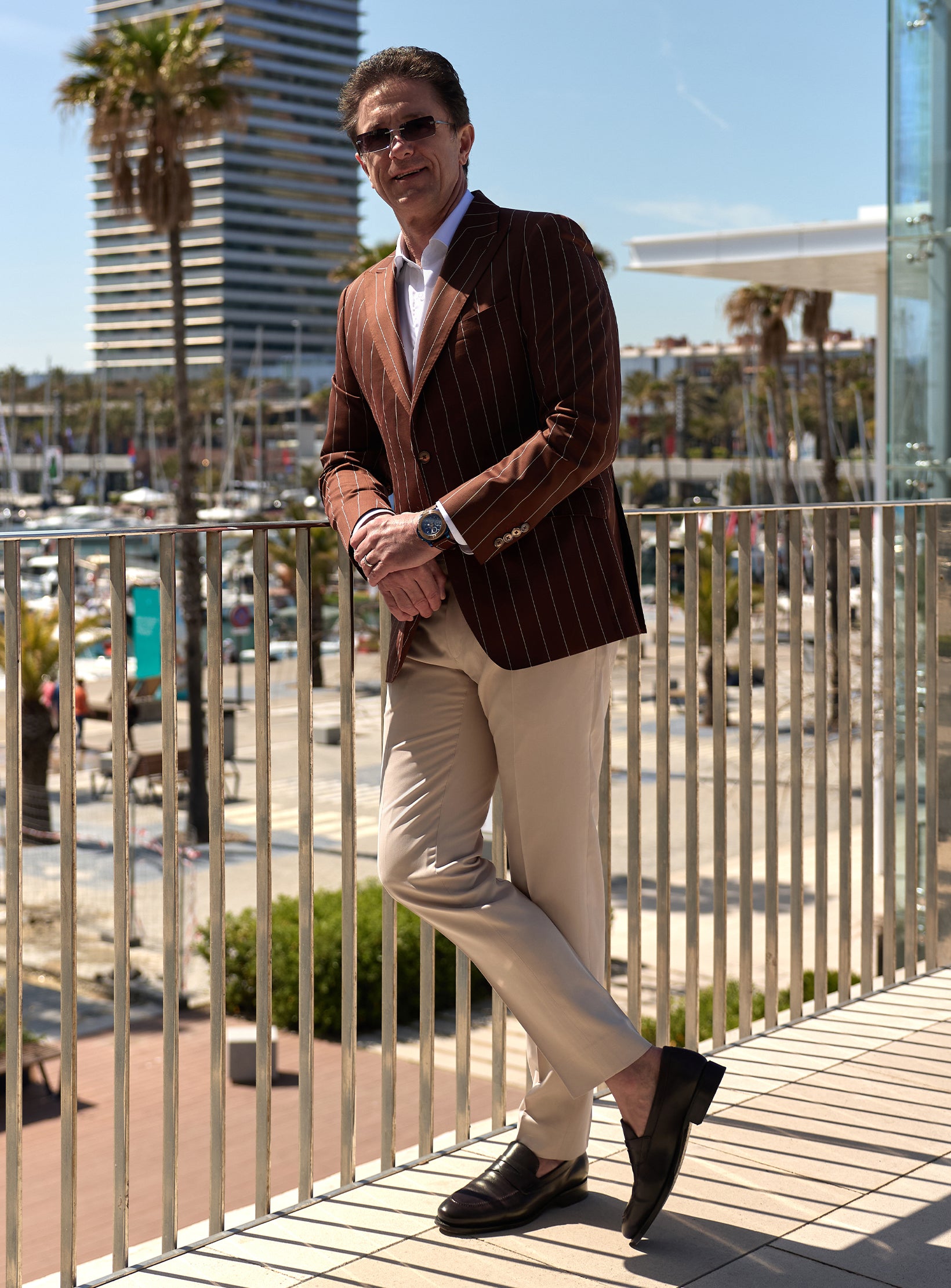
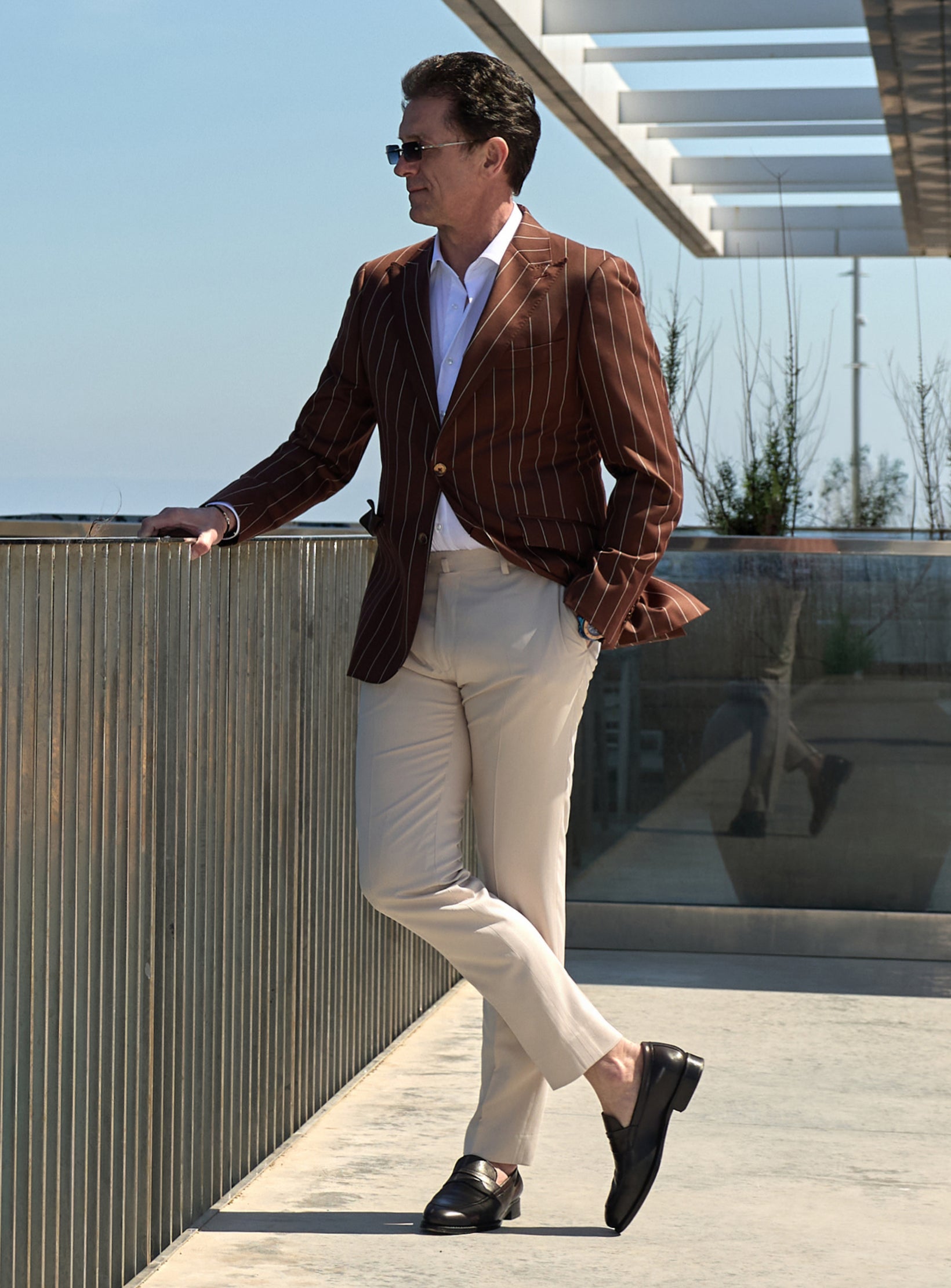
Single-breasted: one line of buttons
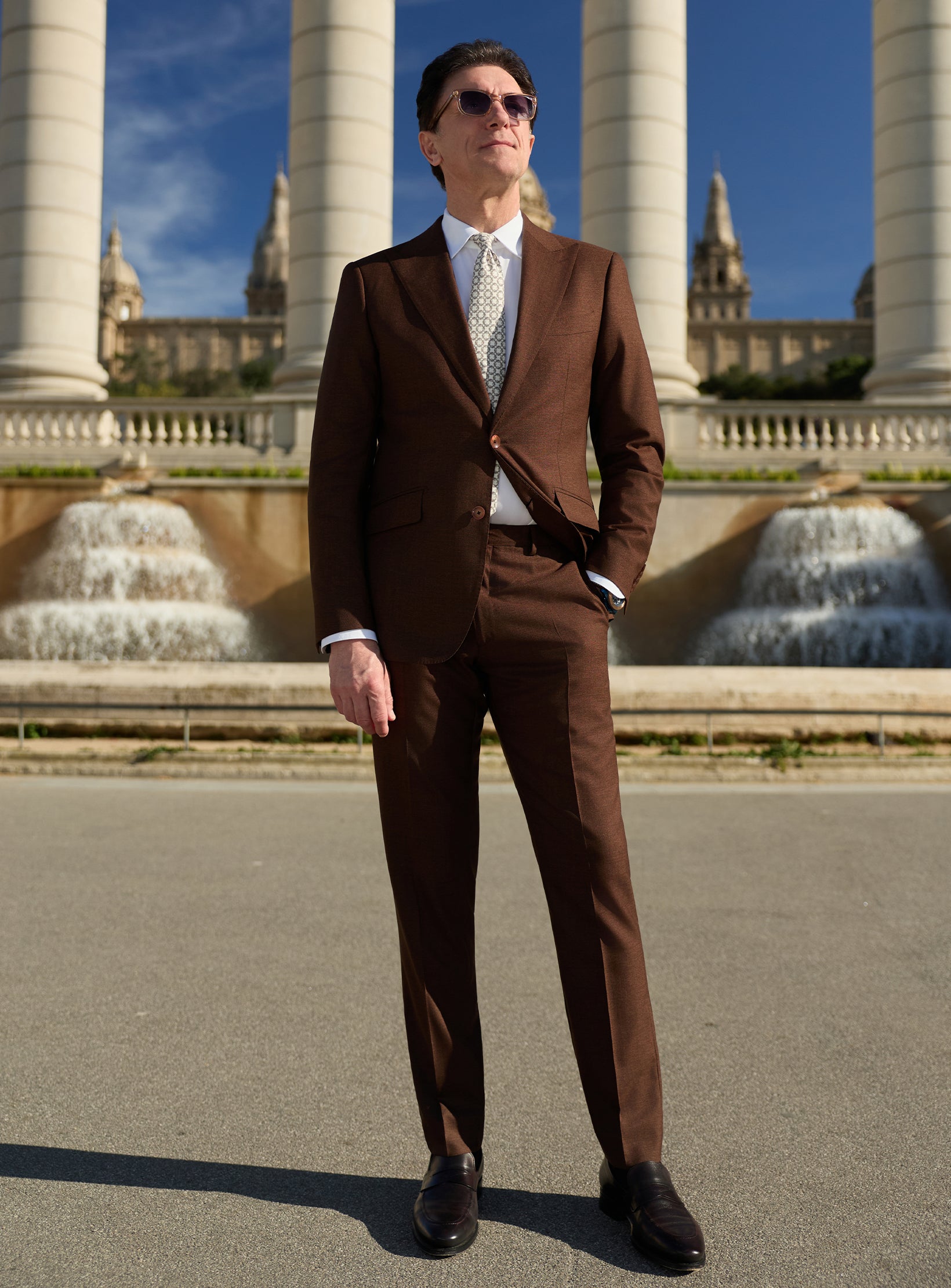
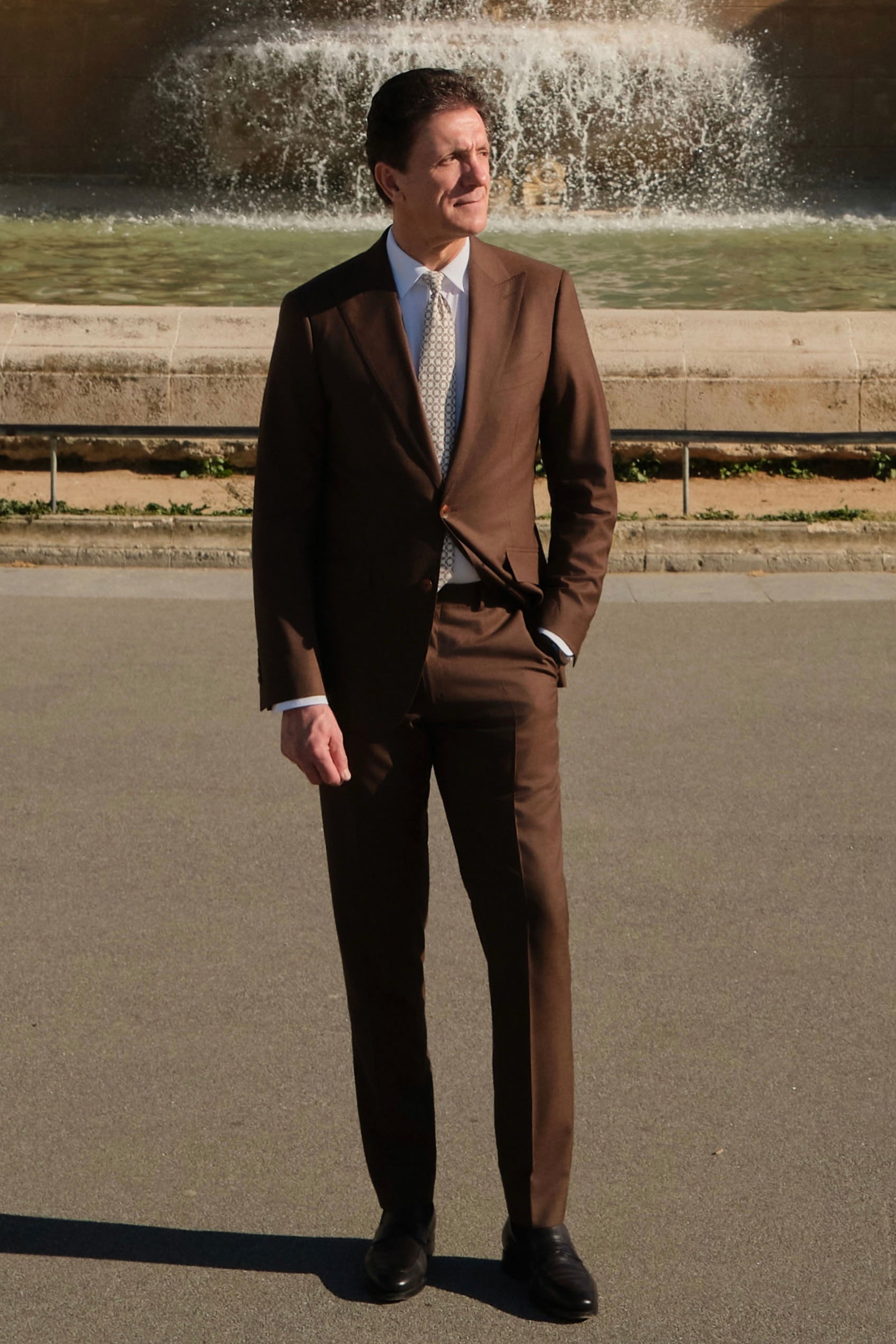
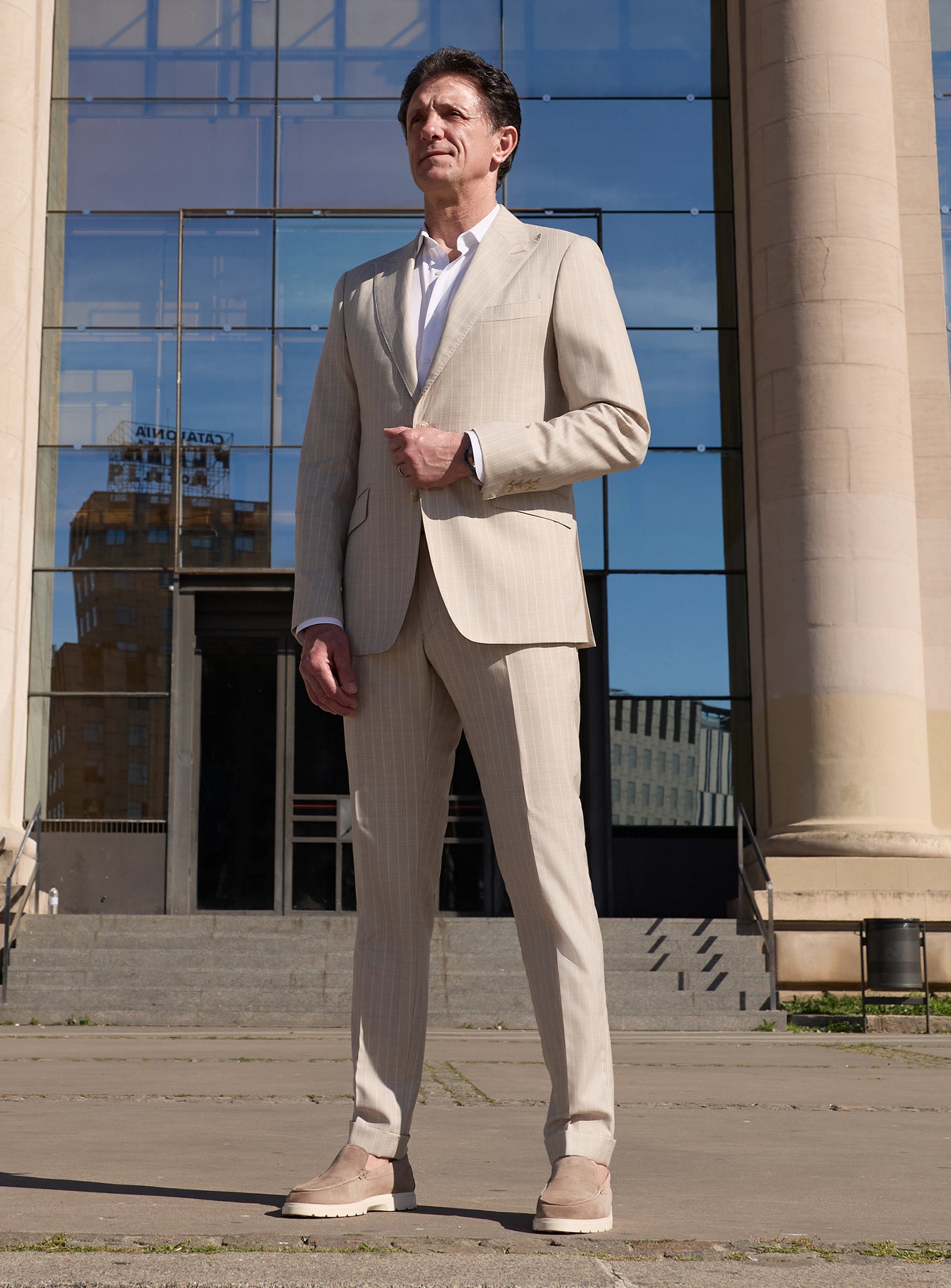
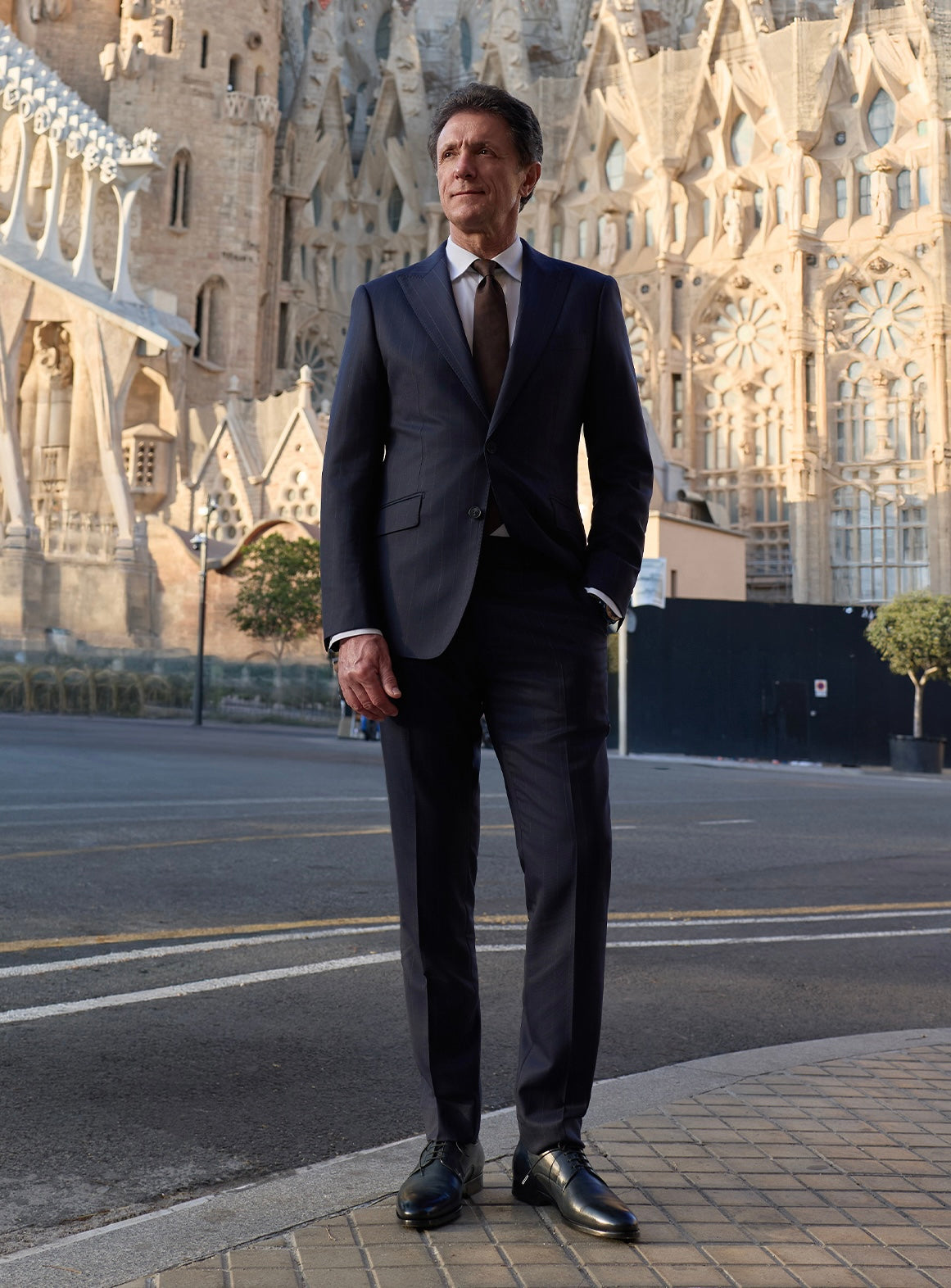
A single-breasted jacket has one line of front buttons and a relatively narrow overlap. The two-button model is a familiar foundation for business dressing, but the fastening also appears in relaxed tailoring and occasionwear.
The opening gives space to a shirt, tie or waistcoat, making it easy to vary the outfit. If you regularly take off your jacket, spend much of the day seated or enjoy wearing it open, this is a useful place to start. On a conventional two-button jacket, the lower button is usually left undone; unfastening the jacket before sitting makes it more comfortable.
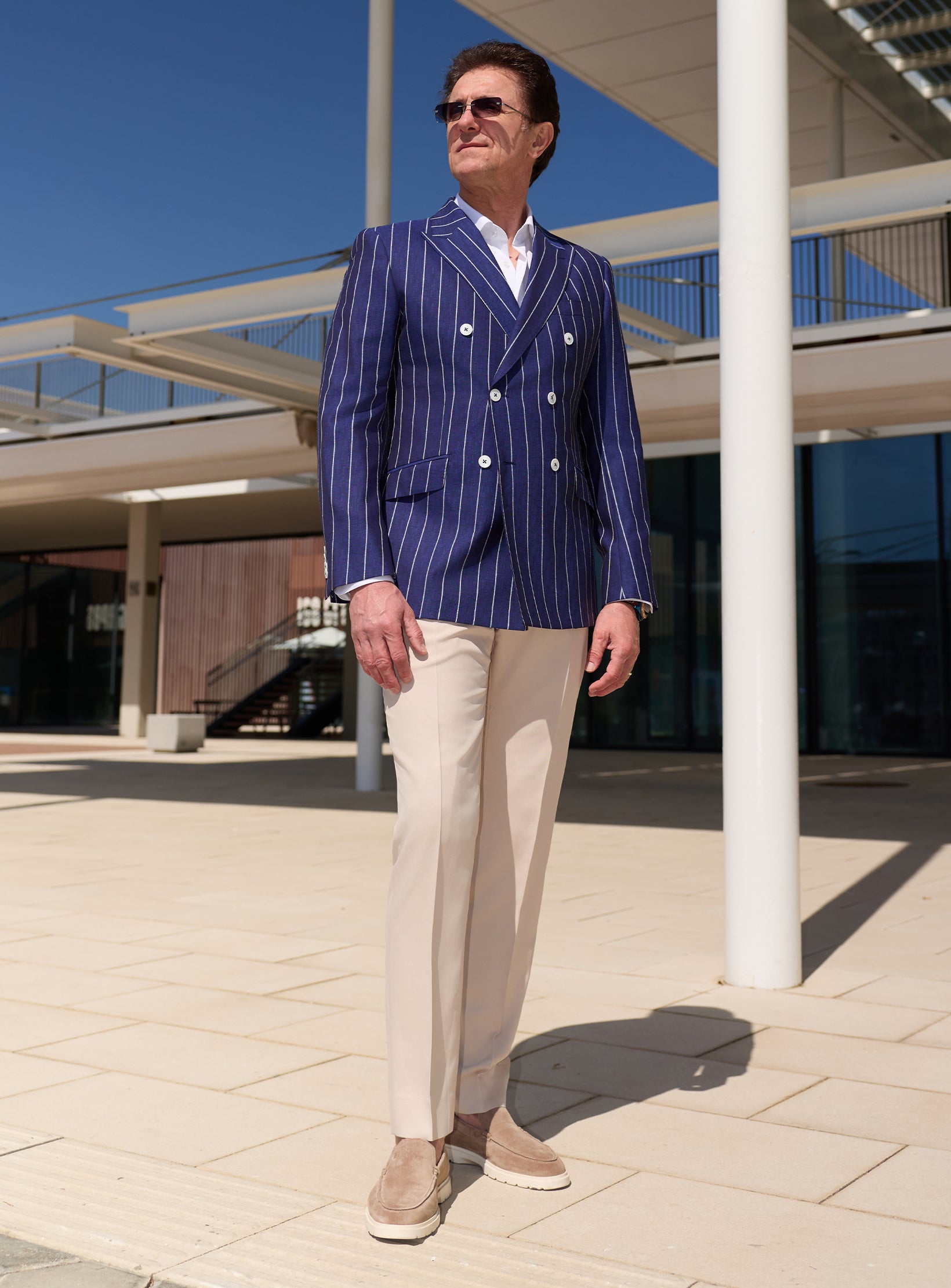
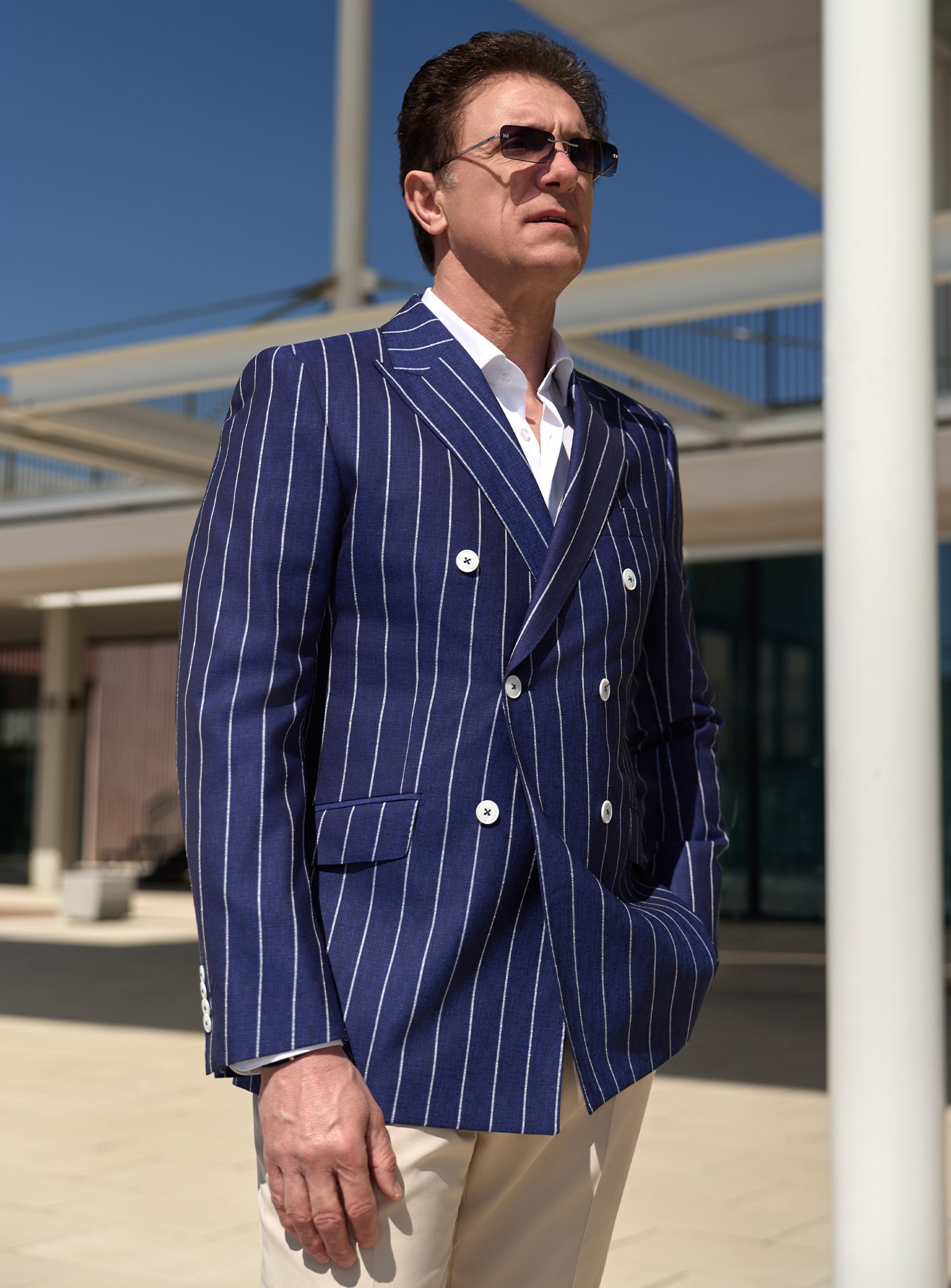
Double-breasted: an overlapping front
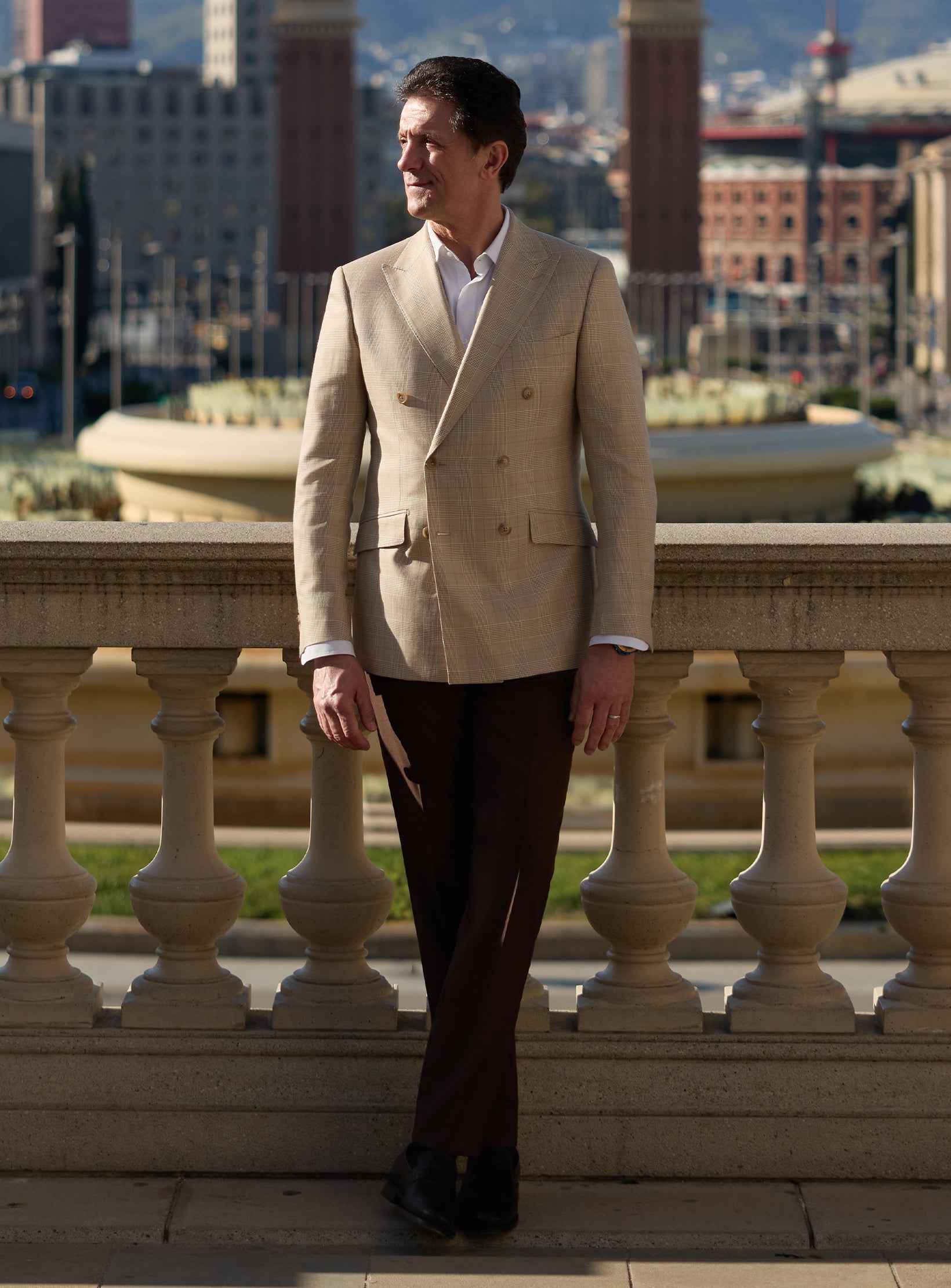
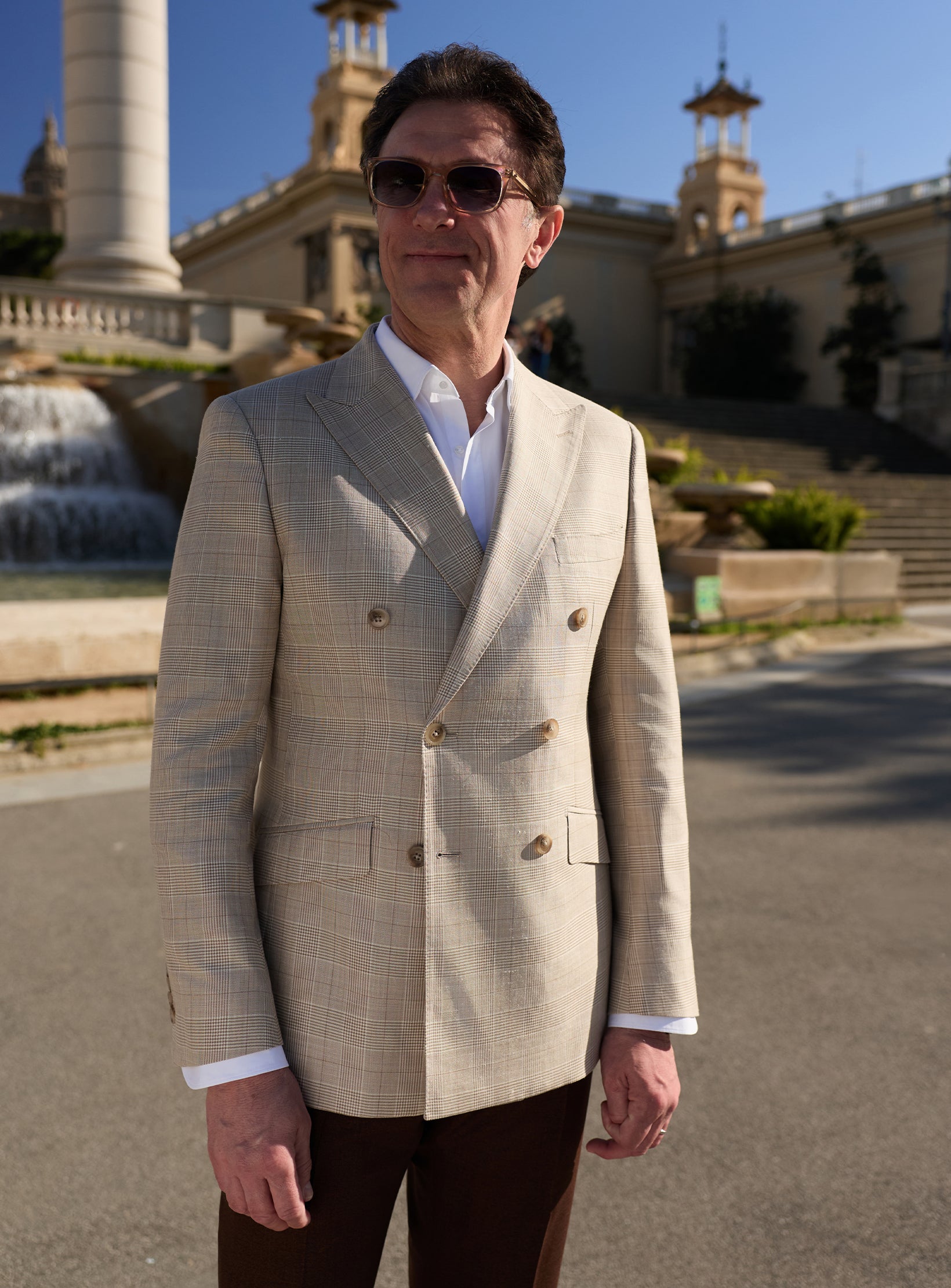
A double-breasted jacket has overlapping fronts and two visible columns of buttons. The position of the fastening and the broader expanse of cloth change the shape of the chest and waist. Peak lapels, frequently used on this style, give the shoulder line further emphasis.
Button configurations vary. Not every outside button is functional, and an inside button may support the overlapping front. At the fitting, ask to see how your particular model fastens and how it sits when standing and seated. Do not assume that the buttoning convention of another jacket will apply.
Choose proportions, rather than body-type rules
A double-breasted jacket is not reserved for tall men. Nor does a single-breasted jacket become a good choice simply because it appears quieter. Jacket length, fastening height, button spacing and lapel width all influence the overall silhouette.
Try both styles with the same shirt and trousers sitting at their intended waist position. Notice how much shirt remains visible, where the waist is defined and whether the lapels feel in scale with your face and shoulders. Look for a shape you can wear comfortably, without continually rearranging the front.
Cloth and lapels help set the tone
A matt cloth and closely matched buttons can make a double-breasted suit feel understated. A contrasting pattern and peak lapels can give a single-breasted suit considerable presence. The number of button columns does not determine formality on its own.
Notch lapels are a familiar choice on a single-breasted jacket; peak lapels can be used with either fastening. Compare the lines on your body, alongside the cloth. For an invitation with a specific requirement, consult our separate Black Tie dress code guide: an ordinary double-breasted suit does not become a tuxedo because of its fastening.
Your first suit, or the next piece in your wardrobe?
For a first suit intended to cover several settings, a navy or grey single-breasted model is a practical starting point. Consider it with the shirts and ties you already own. Yet if you feel at ease in a double-breasted suit and have occasions to wear it, you need not wait until you have assembled a supposedly essential wardrobe.
Before deciding, answer three questions: where will you wear it most often, how much do you enjoy a buttoned jacket, and how prominent do you want the suit to be within the outfit? Those answers are more useful than choosing a style solely because it photographs well.
Explore our Custom Made approach, then arrange a visit to Maison Consiglieri. A considered comparison begins with two silhouettes and ends with a personal choice.